
Why Don’t I Enjoy Anything Anymore? Understanding Anhedonia

Jonathan Cholagh
10.29.26
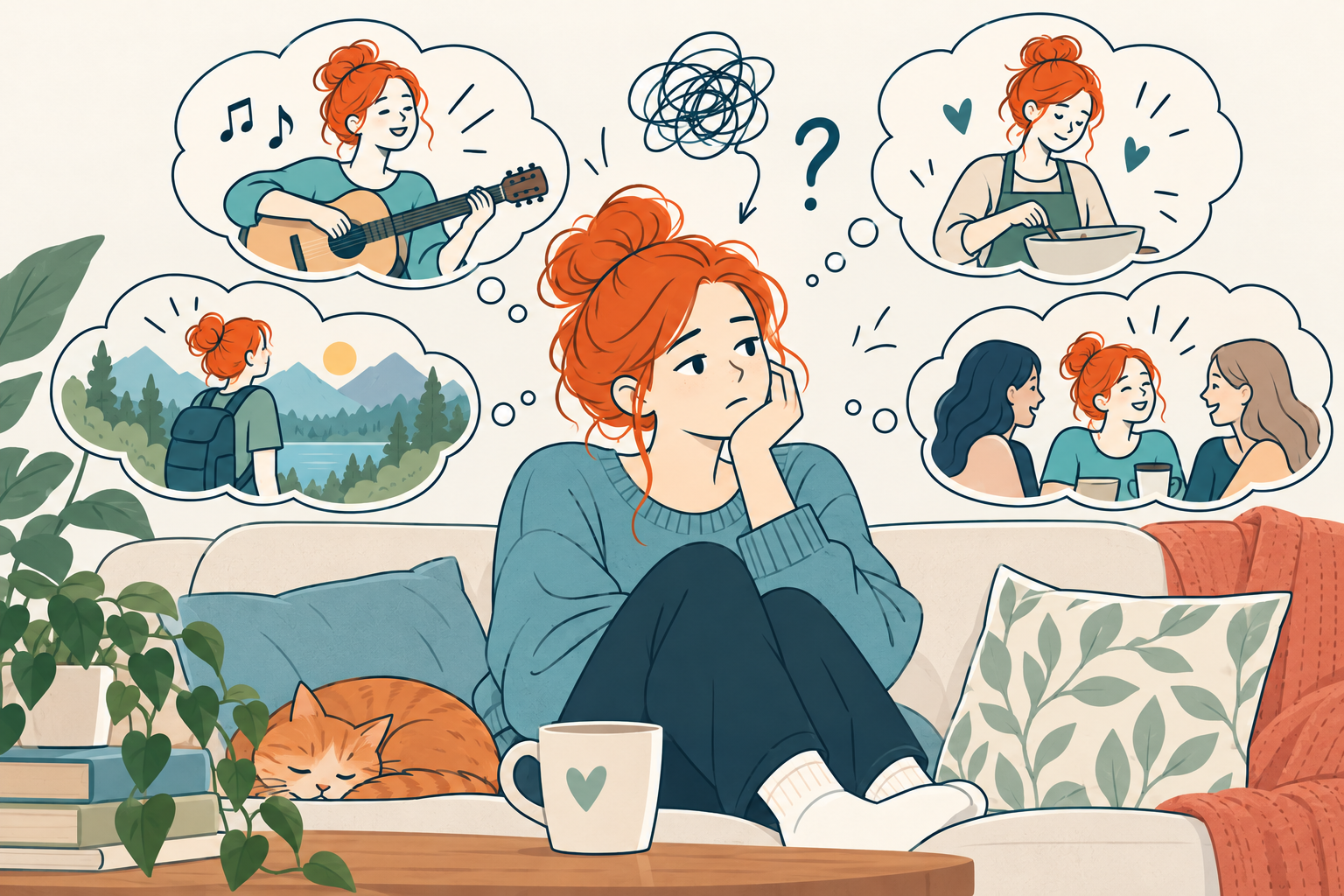
Remember when the little things used to make you happy?
Maybe it was your morning coffee, spending time with friends, listening to your favorite music, or finally having a quiet evening to yourself. These moments once brought you comfort or excitement, but lately, they just don’t feel the same.
You still go through the motions. You show up to work, spend time with family, and do the things you’ve always done. But something feels different.
You’re not necessarily sad. You’re just not feeling much of anything.
If this sounds familiar, you may be experiencing something called anhedonia, a loss of interest or pleasure in activities that once brought you joy.
It’s an experience that can be confusing, frustrating, and sometimes isolating. But understanding what’s happening is an important first step toward feeling more like yourself again.
What Is Anhedonia?
Anhedonia (pronounced an-hee-DOH-nee-uh) is the reduced ability to experience pleasure or enjoyment.
It’s more than simply getting bored with a hobby or having an occasional bad day. Anhedonia can make activities, relationships, and experiences that once felt meaningful seem uninteresting or emotionally flat.
For example, you might notice that:
- Your favorite hobbies no longer excite you.
- Spending time with loved ones feels more like an obligation than something you look forward to.
- You have trouble feeling excited about upcoming plans.
- Accomplishments that once made you proud barely register.
- You feel emotionally disconnected, even during moments that should be happy.
- You find yourself wondering, “Why doesn’t anything make me happy anymore?”
One of the most confusing parts of anhedonia is that you might genuinely want to enjoy something, but the feeling just isn’t there.
And that disconnect can leave you questioning what’s changed.
What Does Anhedonia Feel Like?
Anhedonia doesn’t look or feel exactly the same for everyone.
For some people, it’s a gradual loss of excitement. For others, it feels like an emotional switch has been turned off.
You might describe it as:
“I’m just going through the motions.”
You continue with your daily routine, but everything feels repetitive or meaningless.
“I know I should be happy, but I’m not.”
Something good happens, and you recognize that it’s positive, but you don’t experience the excitement you expected.
“I don’t feel like doing anything anymore.”
Activities you once looked forward to now require more effort than they seem worth.
“I feel disconnected from everyone.”
You care about the people in your life, but spending time together doesn’t bring the same emotional connection.
Sometimes, anhedonia can feel like watching your own life from the sidelines. You’re physically present, but emotionally, something feels missing.
That doesn’t mean you’ve stopped caring about your life or the people in it. It may mean your ability to experience enjoyment has been affected.
The Two Main Types of Anhedonia
Anhedonia is often discussed in two broad categories.
1. Social Anhedonia
Social anhedonia involves reduced enjoyment from social interactions and relationships.
You might find yourself turning down invitations, avoiding conversations, or feeling less connected to friends and family.
It’s not necessarily that you dislike being around people. Socializing simply doesn’t provide the same satisfaction it once did.
2. Physical Anhedonia
Physical anhedonia involves reduced pleasure from physical or sensory experiences.
This might include enjoying food less, feeling less pleasure from physical affection, or losing interest in experiences that previously felt comforting or rewarding.
These experiences can overlap, and not everyone fits neatly into one category.
Researchers also distinguish between difficulty looking forward to something enjoyable and difficulty enjoying it while it’s happening.
Understanding these differences can help mental health professionals better identify what someone is experiencing.
Why Don’t I Enjoy Anything Anymore?
There isn’t always one clear explanation for why enjoyment starts to disappear.
Anhedonia can develop for several reasons, and sometimes multiple factors contribute at once.
1. Depression
Anhedonia is one of the core symptoms of depression.
While depression is often associated with sadness, it doesn’t always involve crying, hopelessness, or visibly feeling down.
For some people, depression feels more like emptiness, disconnection, or an inability to experience happiness.
According to the National Institute of Mental Health (NIMH), losing interest or pleasure in activities is one of the major symptoms healthcare professionals evaluate when assessing depression.
If you’ve noticed a persistent loss of enjoyment alongside fatigue, changes in sleep, difficulty concentrating, or feelings of emptiness, it may be worth exploring whether depression is contributing.
2. Chronic Stress and Burnout
When you’re constantly managing responsibilities, deadlines, financial worries, or family obligations, it can become difficult to find enjoyment in everyday life.
You might spend so much time focused on what needs to get done that you rarely have the energy to appreciate what’s happening around you.
Over time, prolonged stress and burnout can contribute to emotional exhaustion and reduced interest in activities.
Even when you finally have time to relax, you may struggle to enjoy it.
3. Anxiety and Emotional Exhaustion
Living with ongoing anxiety can be mentally exhausting.
When your mind is constantly anticipating problems, replaying conversations, or worrying about the future, it can be difficult to stay present.
You may notice that even during enjoyable activities, your attention is somewhere else.
If anxiety has been affecting your daily life, you may also find our article, “Virtual Psychiatry for Anxiety: Pros, Cons, and What to Expect,” helpful.
4. Changes in the Brain’s Reward System
Our brains have systems that help us experience motivation, anticipation, and pleasure.
Dopamine is one of several chemical messengers involved in these processes.
Research suggests that changes in how the brain processes rewards may contribute to anhedonia. However, anhedonia is more complex than simply having “low dopamine.”
When reward processing is disrupted, activities that once felt exciting or satisfying may become less rewarding.
5. Medical Conditions, Medications, and Other Factors
Anhedonia isn’t always caused by a mental health condition.
Certain physical health conditions, sleep problems, medications, and substance use can contribute to changes in mood, motivation, and pleasure.
For example, thyroid disorders and other medical conditions can sometimes cause symptoms that resemble depression.
If your symptoms began after starting a new medication or experiencing a significant health change, discussing them with a healthcare professional can help identify possible contributing factors.
Important: Never stop or adjust prescribed medication without speaking with your healthcare provider.
Is Anhedonia the Same as Depression?
Not exactly.
Anhedonia is a symptom or experience, while depression is a mental health condition that can involve several symptoms.
Although anhedonia is strongly associated with depression, experiencing it doesn’t automatically mean you have depression.
You can also experience a loss of enjoyment during periods of prolonged stress, emotional exhaustion, or other health challenges.
One important distinction is that you don’t have to feel sad to be experiencing depression.
Some people with depression describe feeling numb, disconnected, or unable to experience positive emotions rather than feeling noticeably unhappy.
If these changes persist, a mental health evaluation can help clarify what’s happening.
Anhedonia vs. Emotional Numbness: What’s the Difference?
Anhedonia and emotional numbness can feel similar, but they aren’t quite the same.
Anhedonia specifically involves difficulty experiencing pleasure or enjoyment.
Emotional numbness is a broader experience that may involve feeling disconnected from both positive and negative emotions.
For example:
- Anhedonia: You go to your favorite restaurant but don’t enjoy the experience.
- Emotional numbness: You feel emotionally disconnected from nearly everything, whether it’s something happy, sad, or stressful.
It’s possible to experience both at the same time.
Neither experience should be dismissed, especially when it begins affecting your relationships, daily activities, or overall quality of life.
How to Start Enjoying Things Again
When nothing feels enjoyable, being told to “just do something fun” can feel frustrating.
If enjoying things were that simple, you probably wouldn’t be struggling with it in the first place.
While there’s no instant solution, there are small, realistic steps that may help you begin reconnecting with activities and experiences.
1. Start Small, Without Pressuring Yourself
You don’t have to force yourself to feel happy.
Instead of planning an entire day of activities, try something manageable.
Take a short walk, listen to a favorite song, sit outside for a few minutes, or make yourself a meal you used to enjoy.
The goal isn’t to immediately feel excited. It’s to gently create opportunities for positive experiences without putting pressure on the outcome.
2. Focus on Consistency Rather Than Motivation
When you’re experiencing anhedonia, waiting until you feel motivated can make it harder to get started.
Try building small, enjoyable activities into your routine, even when your enthusiasm is low.
This approach is related to a therapeutic strategy called behavioral activation, which helps people gradually reconnect with meaningful activities.
You may not notice a change immediately, and that’s okay.
3. Stay Connected to People You Trust
When social interactions feel less rewarding, withdrawing can seem easier.
But maintaining supportive relationships can still be valuable, even when you aren’t feeling particularly social.
You don’t have to attend every gathering or force yourself into long conversations.
Sometimes, sending a message, sharing a meal, or spending quiet time with someone you trust is enough.
4. Pay Attention to Sleep and Stress
Poor sleep and prolonged stress can make emotional difficulties harder to manage.
Maintaining a consistent sleep schedule, taking breaks, eating regularly, and finding manageable ways to reduce stress may support your overall well-being.
These habits aren’t substitutes for professional treatment, but they can be useful parts of a broader recovery plan.
5. Consider Professional Mental Health Support
If you’ve been feeling emotionally disconnected for weeks, or your loss of enjoyment is interfering with everyday life, talking to a mental health professional can help.
Depending on the underlying cause, treatment may include:
- Talk therapy
- Behavioral activation strategies
- Mental health assessments
- Medication evaluation or management when appropriate
- Support for related concerns such as depression or anxiety
You don’t need to know exactly what’s causing your symptoms before reaching out.
That’s part of what a professional evaluation can help you understand.
When Should You Seek Help for Anhedonia?
Everyone experiences periods when life feels less exciting.
But when that feeling becomes persistent, overwhelming, or starts affecting your daily life, it’s worth paying attention.
Consider seeking professional support if:
- You’ve lost interest in most activities you previously enjoyed.
- The feeling has lasted two weeks or longer.
- You’re withdrawing from friends or family.
- You’re experiencing changes in sleep, appetite, or energy.
- You’re struggling to keep up with work or daily responsibilities.
- You feel persistently empty, hopeless, or disconnected.
You don’t have to wait two weeks if symptoms are severe, worsening, or causing significant distress.
A healthcare professional can help determine whether you’re experiencing depression, another mental health concern, or a medical issue that needs attention.
If you’re having thoughts of suicide or are in emotional crisis, call or text 988 in the United States for immediate support.
Finding Support Through Mind Health Group
Losing interest in the things that once made you happy can leave you feeling disconnected from yourself.
You might not know how to explain what you’re experiencing, especially when everything in your life appears normal from the outside.
At Mind Health Group, we understand that mental health challenges don’t always look the way people expect.
Our team provides virtual mental health services, including psychiatric evaluations and medication management, to help individuals better understand their symptoms and explore appropriate treatment options.
Whether you’re experiencing symptoms of depression, anxiety, or a persistent sense of emotional disconnection, support is available.
You don’t have to wait until things get worse to ask for help.
Visit Mind Health Group to learn more about our services and explore your options for care.
Frequently Asked Questions About Anhedonia
Can anhedonia go away on its own?
Sometimes, reduced enjoyment improves as temporary stressors resolve. However, persistent anhedonia may be related to depression or another health concern that benefits from professional treatment. If symptoms continue or interfere with daily life, seeking an evaluation is recommended.
Can you have anhedonia without being depressed?
Yes. Although anhedonia is a common symptom of depression, it can also occur alongside other mental health concerns, prolonged stress, certain medical conditions, or medication-related changes.
Why do I feel emotionally numb even when good things happen?
Emotional numbness can have several possible causes, including stress, depression, trauma-related symptoms, and other health factors. A mental health professional can help you better understand why your emotional responses may have changed.
Is anhedonia permanent?
Not necessarily. Anhedonia can improve, particularly when underlying contributing conditions are identified and appropriately treated. Recovery looks different for everyone, and some people may need ongoing support.
What is the best treatment for anhedonia?
There isn’t one treatment that works for everyone. Treatment depends on the underlying cause and may involve psychotherapy, behavioral activation, medication management, or a combination of approaches.
Final Thoughts: You Deserve to Feel Connected to Your Life Again
When the things you once loved stop bringing you happiness, it’s easy to wonder whether something has permanently changed.
But losing your sense of enjoyment doesn’t mean you’ve lost the ability to experience it forever.
Anhedonia is a real experience, and it deserves attention and understanding.
You don’t have to pretend everything is fine, force yourself to be happy, or figure everything out on your own.
Sometimes, the first step toward feeling better is simply recognizing that something feels different and allowing yourself to seek support.
You deserve more than just going through the motions.
Medical disclaimer: This article is for educational purposes only and is not intended to diagnose or treat any medical or mental health condition. Always consult a qualified healthcare professional for personalized guidance.
Related Articles
Can’t Sleep Because Your Mind Won’t Shut Off? Anxiety and Insomnia Explained

Mind Health Group Team
10.27.26
Why Do I Replay Conversations Over and Over? Understanding Rumination
Mind Health Group Team
10.21.26
Why Am I Tired All the Time? The Connection Between Mental Health and Fatigue
Mind Health Group Team
10.14.26