
Virtual Psychiatry for Anxiety: Pros, Cons, and What to Expect

Mind Health Group Team
09.28.26
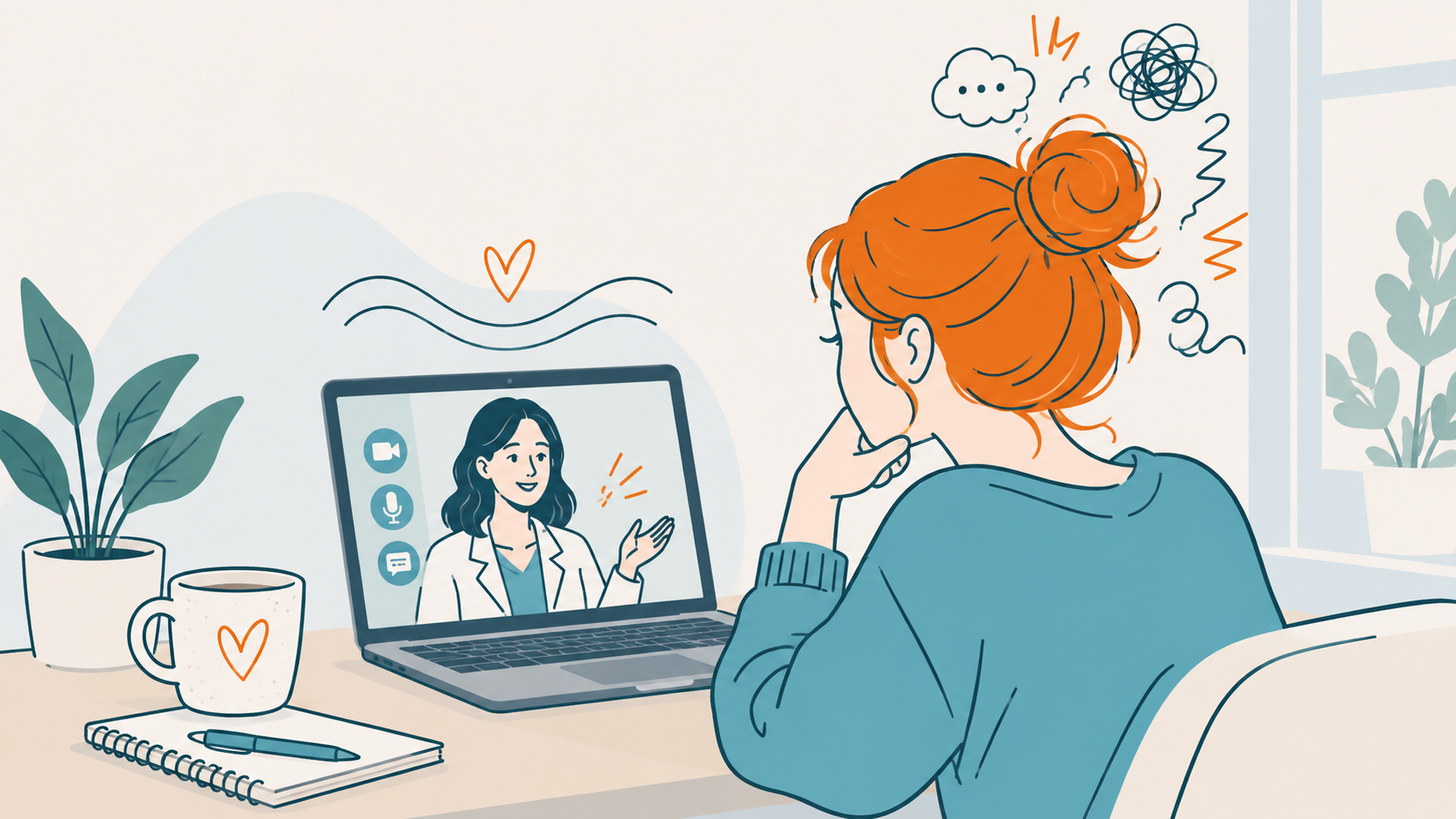
Anxiety can affect much more than your mood. Persistent worry, panic attacks, racing thoughts, difficulty sleeping, irritability, and physical symptoms can interfere with work, relationships, and everyday life.
Anxiety disorders are among the most common mental health conditions in the United States. According to the National Institute of Mental Health (NIMH), about one-third of U.S. adolescents and adults experience an anxiety disorder at some point in their lives.
Fortunately, treatment is available—and for many people, it no longer requires regular trips to a psychiatrist’s office.
Virtual psychiatry for anxiety allows you to meet with a licensed psychiatric provider through secure telehealth appointments. Depending on your needs, care may include a psychiatric evaluation, diagnosis, medication management, ongoing monitoring, and coordination with therapy or other mental health services.
At Mind Health Group, we provide convenient online psychiatric care designed to make getting support simpler. If anxiety has started affecting your daily life, understanding how virtual psychiatry works can help you decide whether it may be a good fit for you.
What Is Virtual Psychiatry?
Virtual psychiatry, sometimes called telepsychiatry or online psychiatry, provides psychiatric care through secure video appointments rather than requiring you to visit an office.
Depending on your symptoms and treatment needs, online psychiatric services may include:
- Comprehensive psychiatric evaluations
- Diagnosis of anxiety and other mental health conditions
- Medication management
- Monitoring symptoms and medication side effects
- Adjusting treatment when appropriate
- Ongoing follow-up appointments
- Coordination with therapists or other healthcare professionals
At Mind Health Group, patients can access online psychiatric services from a private location using a phone, tablet, or computer.
Can Anxiety Be Treated Through Telehealth?
For many patients, yes.
Anxiety treatment may involve psychotherapy, medication, or a combination of both, depending on the type and severity of anxiety and the individual’s needs.
Research also supports telehealth as a useful way to deliver mental health treatment. A systematic review and meta-analysis published in JMIR Mental Health found telemedicine-based psychiatric treatment comparable with in-person treatment across several measures, including treatment effectiveness and patient satisfaction.
Another systematic review examining telemedicine specifically for anxiety disorders found generally comparable outcomes between telemedicine and in-person psychological interventions, while noting that additional research is still needed in some areas.
The right approach ultimately depends on your symptoms, medical history, preferences, and your provider’s clinical recommendations.
Benefits of Virtual Psychiatry for Anxiety
1. Convenient Access to Psychiatric Care
One of the biggest advantages of online psychiatry is convenience.
Instead of traveling to an office, sitting in a waiting room, and commuting home afterward, you can attend your appointment from a private location where telehealth care is permitted.
This can make psychiatric care easier to fit around work, parenting, caregiving, school, and other responsibilities.
2. Receive Care From a Familiar Environment
For someone experiencing significant anxiety, getting ready for an appointment, driving to an unfamiliar location, or sitting in a crowded waiting room can add another layer of stress.
Virtual appointments allow you to speak with your provider from a familiar environment, which some patients may find more comfortable.
This accessibility can be particularly helpful for people whose anxiety makes leaving home, traveling, or entering unfamiliar environments difficult.
3. Online Anxiety Medication Management
Medication may be recommended for some people with anxiety disorders.
According to the National Institute of Mental Health, medications used in the treatment of anxiety can include certain antidepressants, such as selective serotonin reuptake inhibitors (SSRIs) and serotonin-norepinephrine reuptake inhibitors (SNRIs), as well as other medications depending on the patient’s diagnosis and individual circumstances.
Medication isn’t right for everyone, and there isn’t one anxiety medication that works best for every patient. A psychiatric provider can evaluate your symptoms, medical history, current medications, potential side effects, and response to treatment before recommending or adjusting medication.
Learn more about Mind Health Group’s treatment options.
4. Easier Follow-Up Appointments
Psychiatric medication management usually isn’t a one-time appointment.
Follow-up visits give your provider an opportunity to discuss:
- Changes in anxiety symptoms
- Medication effectiveness
- Potential side effects
- Sleep, mood, and daily functioning
- New or worsening symptoms
- Whether medication or dosage adjustments may be appropriate
Because appointments are virtual, keeping up with regular follow-up care may be more convenient for patients with busy schedules.
5. Private and Secure Appointments
Telehealth psychiatric care should be conducted using appropriate systems designed to protect patient privacy.
Mind Health Group uses HIPAA-compliant platforms for virtual psychiatric appointments. You should also choose a quiet, private location for your appointment whenever possible so you can speak openly with your provider.
Potential Limitations of Virtual Psychiatry
Virtual psychiatry offers several advantages, but it isn’t the right setting for every situation.
1. Telehealth Is Not a Substitute for Emergency Care
Virtual outpatient psychiatry is not intended to replace emergency medical or psychiatric services.
If you or someone you know is experiencing an immediate mental health crisis, is in danger, or is thinking about suicide or self-harm, call or text 988 to reach the Suicide & Crisis Lifeline. Call 911 or go to the nearest emergency department if there is an immediate life-threatening emergency.
2. Providers Must Follow State Licensing Requirements
Telehealth providers generally must be licensed or otherwise legally permitted to provide care in the state where the patient is physically located during the appointment.
The U.S. Department of Health and Human Services explains that requirements for practicing telehealth across state lines vary by state.
Before scheduling, make sure the practice provides services in the state where you will be located during your appointment.
3. Some Situations May Require In-Person Care
Certain symptoms, medical concerns, examinations, tests, or levels of care may require an in-person evaluation.
Your psychiatric provider can help determine whether telehealth is appropriate based on your individual circumstances.
4. Technology and Privacy Can Be Challenges
Virtual appointments require a reliable internet connection and a device capable of video communication.
You also need a private location where you feel comfortable discussing personal health information. For some people, finding that privacy at home can be difficult.
What Happens During Your First Virtual Psychiatry Appointment for Anxiety?
If you’ve never met with a psychiatric provider before, it’s normal to wonder what the first appointment will be like.
Your initial virtual psychiatric evaluation will typically involve a detailed conversation about your symptoms and overall health.
Your provider may ask about:
- When your anxiety began
- What your anxiety feels like
- Panic attacks or physical symptoms
- Sleep patterns
- Mood changes
- Medical history
- Current and previous medications
- Previous mental health treatment
- Family mental health history
- Alcohol or substance use
- Major stressors or life changes
- How symptoms are affecting work, relationships, or everyday activities
The goal isn’t simply to prescribe medication. Your provider first needs to understand what you’re experiencing and determine an appropriate treatment plan.
Will I Receive Anxiety Medication at My First Appointment?
Not necessarily.
A psychiatric evaluation does not automatically mean medication will be prescribed. Your provider will first evaluate your symptoms, medical history, current medications, potential interactions, and other relevant factors.
If medication is appropriate, your provider will discuss the potential benefits, risks, side effects, and what you should expect after starting treatment.
Some medications can take time to work. For example, NIMH notes that SSRIs and SNRIs used for generalized anxiety disorder may take several weeks to begin working.
Regular follow-up appointments allow your provider to monitor your response and make changes when clinically appropriate.
Does Virtual Psychiatry Include Therapy?
Psychiatry and psychotherapy are related but different types of mental health care.
Psychiatry generally focuses on mental health evaluation, diagnosis, medical treatment, and medication management.
Psychotherapy, or talk therapy, focuses on thoughts, emotions, behaviors, coping skills, and other psychological concerns.
For many anxiety disorders, psychotherapy—particularly cognitive behavioral therapy (CBT)—is an evidence-based treatment option. NIMH describes CBT as a well-studied treatment for generalized anxiety disorder, and therapy may be used alone or alongside medication.
Mind Health Group offers both psychiatric treatment and supportive mental health services, allowing care to be tailored to the individual.
Who May Benefit From Online Psychiatry for Anxiety?
Virtual psychiatric care may be worth considering if anxiety is beginning to interfere with your everyday life.
You may want to speak with a mental health professional if you regularly experience:
- Persistent or excessive worry
- Frequent panic attacks
- Racing or intrusive thoughts
- Difficulty concentrating
- Irritability or feeling constantly on edge
- Trouble falling or staying asleep
- Physical anxiety symptoms
- Avoidance of certain situations because of anxiety
- Anxiety that affects work or relationships
- Symptoms that aren’t improving with your current treatment
You don’t have to determine on your own whether your symptoms qualify as an anxiety disorder. A licensed mental health professional can evaluate your symptoms and help determine appropriate next steps.
Is Virtual Psychiatry as Effective as In-Person Psychiatry?
Telehealth isn’t automatically better or worse than in-person treatment.
Research suggests that telemedicine can provide outcomes comparable to in-person mental health treatment for many patients and conditions. However, the evidence varies by diagnosis, type of treatment, and individual patient needs.
The most important question is whether virtual care is clinically appropriate for you.
Your provider can help determine whether your symptoms can be safely and effectively managed through telehealth or whether another level or type of care would be more appropriate.
How to Prepare for Your First Online Psychiatry Appointment
A little preparation can help you get more out of your first visit.
Before your appointment:
- Find a quiet, private location.
- Test your internet connection, camera, and microphone.
- Have a list of your current medications and supplements.
- Write down the symptoms you want to discuss.
- Note approximately when your symptoms started.
- Prepare questions about treatment or medication.
- Have relevant medical or mental health history available.
- Be prepared to tell your provider where you are physically located during the appointment.
Most importantly, be open about what you’ve been experiencing. Your provider needs an accurate picture of your symptoms to recommend appropriate care.
Frequently Asked Questions About Virtual Psychiatry for Anxiety
Can an online psychiatrist diagnose anxiety?
Yes. Licensed psychiatric providers can evaluate symptoms and diagnose anxiety disorders through telehealth when clinically appropriate.
Can a psychiatrist prescribe anxiety medication through telehealth?
In many situations, licensed psychiatric providers can prescribe medications through telehealth when clinically appropriate. Prescribing requirements can depend on the medication, patient circumstances, provider licensure, and applicable federal and state regulations.
Do I need an anxiety diagnosis before scheduling an appointment?
No. You don’t need to know exactly what condition you have before asking for help. A psychiatric evaluation can help identify what may be contributing to your symptoms and determine appropriate treatment options.
How often will I need follow-up appointments?
Follow-up frequency varies. Your provider will recommend a schedule based on your symptoms, medications, response to treatment, and overall care plan.
Can I combine online psychiatry with therapy?
Yes. Medication management and psychotherapy are commonly used together. NIMH notes that anxiety disorders may be treated with psychotherapy, medication, or both.
Get Virtual Psychiatry for Anxiety at Mind Health Group
Living with anxiety can be exhausting, but getting professional support doesn’t have to mean rearranging your entire schedule or spending hours traveling to appointments.
At Mind Health Group, our psychiatric providers offer convenient virtual care for anxiety and other mental health concerns. Treatment may include psychiatric evaluation, medication management, ongoing monitoring, and additional supportive services based on your individual needs.
If anxiety is interfering with your sleep, relationships, work, or ability to enjoy everyday life, consider reaching out for an evaluation.
Learn more about online psychiatry at Mind Health Group →