
Why Am I Tired All the Time? The Connection Between Mental Health and Fatigue

Mind Health Group Team
10.14.26
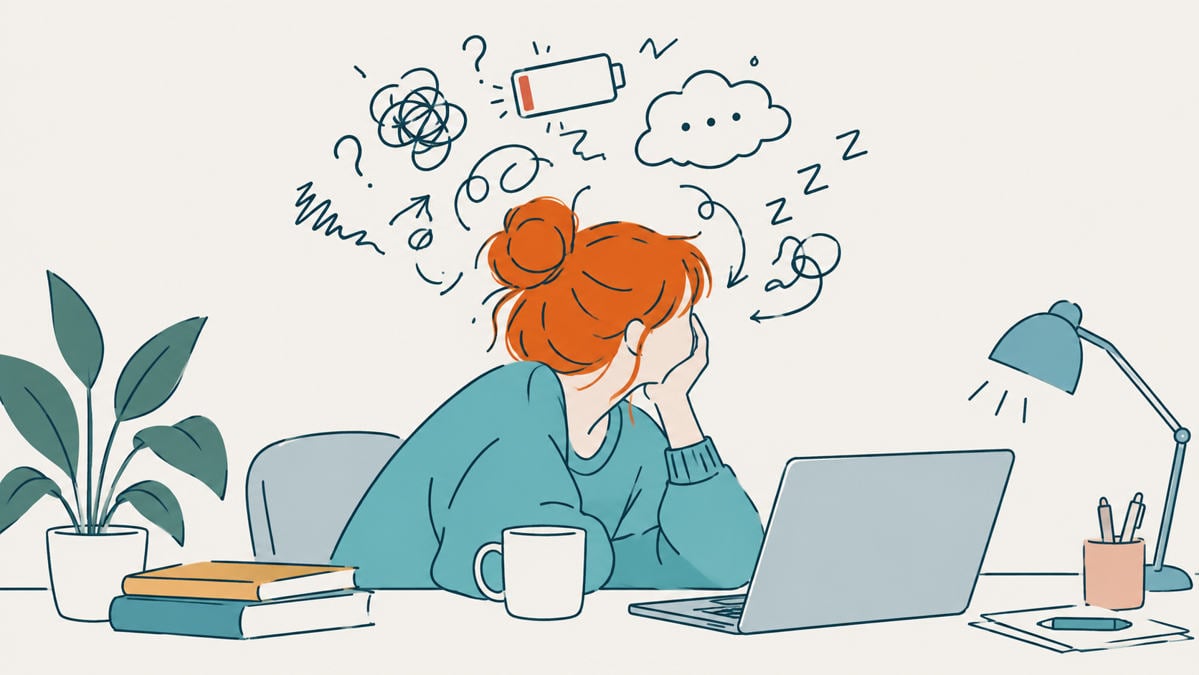
You wake up after a full night’s sleep, but somehow, you’re still exhausted. Your morning coffee barely helps, everyday tasks feel harder than they should, and by the afternoon, you’re already counting down the hours until bedtime.
Sound familiar?
Feeling tired occasionally is a normal part of life. But when exhaustion becomes part of your everyday routine, even when you’re getting enough sleep, it may be time to look a little deeper.
Persistent fatigue isn’t always about how much sleep you’re getting. Sometimes, your mental health plays a bigger role than you realize.
Anxiety, depression, chronic stress, and emotional burnout can all affect your energy levels. Understanding the connection between mental health and fatigue can help you recognize when your body and mind may need additional support.
Why Am I Always Tired, Even After Sleeping?
Sleep is essential for restoring energy, but getting enough hours doesn’t always mean you’re getting quality rest.
You might spend eight hours in bed and still wake up feeling drained. That’s because fatigue can be influenced by more than your sleep schedule.
Your emotional well-being, stress levels, daily habits, physical health, and certain medications can all affect how energized you feel throughout the day.
In fact, a 2026 report from the Centers for Disease Control and Prevention (CDC) found that nearly three out of four U.S. adults experienced significant tiredness or exhaustion at least some days during a three-month period.
The report also found that adults experiencing frequent fatigue were more likely to report symptoms of anxiety and depression.
This doesn’t mean every person who feels exhausted has a mental health condition. However, it does highlight how closely our physical energy and emotional well-being can be connected.
How Mental Health Can Cause Physical Fatigue
Mental health affects more than your thoughts and emotions. It can also influence your sleep, concentration, motivation, and physical energy.
When your mind is constantly processing worry, emotional distress, or overwhelming responsibilities, you may begin to feel the effects physically.
Here’s how some common mental health challenges can contribute to ongoing fatigue.
1. Anxiety Can Leave You Mentally and Physically Exhausted
Anxiety isn’t always obvious. Sometimes, it looks like overthinking every conversation, worrying about things you can’t control, or constantly preparing for something to go wrong.
When you’re anxious, your body’s stress response can become more active. Muscle tension, restlessness, racing thoughts, and difficulty sleeping can leave you feeling worn out.
Even if you haven’t done anything physically demanding, spending hours feeling on edge can be exhausting.
Common signs of anxiety-related fatigue include:
- Feeling tired but unable to relax
- Difficulty falling asleep because your mind won’t slow down
- Muscle tension or frequent headaches
- Trouble concentrating throughout the day
- Feeling overwhelmed by ordinary responsibilities
- Waking up already worried about the day ahead
If this sounds familiar, your exhaustion may be connected to more than a busy schedule.
Related reading: Anxiety vs. Overthinking: How to Know When It’s More Than Stress
2. Depression Can Make Everyday Activities Feel Exhausting
Depression doesn’t always look like sadness.
For some people, one of the most noticeable symptoms is a persistent lack of energy.
You may find yourself sleeping more than usual, struggling to get out of bed, or feeling physically drained by activities that once seemed easy.
According to the National Institute of Mental Health (NIMH), fatigue, reduced energy, difficulty concentrating, and changes in sleep are common symptoms of depression.
Depression can also affect motivation, making it harder to begin tasks or participate in activities you normally enjoy.
You might notice:
- Feeling exhausted even after a full night’s sleep
- Losing interest in hobbies or social activities
- Struggling to complete everyday tasks
- Difficulty focusing or making decisions
- Sleeping too much or having trouble sleeping
- Feeling emotionally disconnected or unmotivated
It’s important to recognize that fatigue related to depression isn’t laziness or a lack of effort. It can be a symptom of a treatable mental health condition.
3. Chronic Stress Can Drain Your Energy Over Time
Stress is a normal response to life’s challenges. But when stress becomes constant, it can begin affecting both your mental and physical health.
Work deadlines, financial concerns, family responsibilities, relationship challenges, and major life changes can all contribute to prolonged stress.
When you’re constantly trying to keep up, you may not notice how exhausted you’ve become until even small responsibilities start feeling overwhelming.
Chronic stress can interfere with sleep, contribute to muscle tension, and make it difficult to mentally disconnect at the end of the day.
Over time, you might experience:
- Persistent tiredness
- Irritability or frustration
- Difficulty concentrating
- Changes in sleep patterns
- Frequent headaches or muscle tension
- Feeling emotionally overwhelmed
Sometimes, what feels like physical exhaustion is also a sign that you’ve been carrying too much stress for too long.
4. Burnout Can Make You Feel Like You Have Nothing Left to Give
Have you ever reached the end of the day and felt completely drained, even though you didn’t do much physical activity?
That feeling may be connected to emotional exhaustion.
Burnout is commonly associated with prolonged workplace stress, although similar exhaustion can occur with caregiving and other ongoing responsibilities.
It often develops gradually. You keep pushing through responsibilities, ignoring your need for rest, and telling yourself things will slow down eventually.
But eventually, even the smallest tasks can begin to feel overwhelming.
Burnout may involve emotional exhaustion, reduced motivation, difficulty concentrating, and feeling disconnected from your work.
Unlike ordinary tiredness, burnout may not improve after one relaxing weekend.
Related reading: Burnout vs. Depression: How to Tell the Difference
Mental Fatigue vs. Physical Fatigue: What’s the Difference?
Mental and physical fatigue often overlap, but understanding the difference can help you recognize what you’re experiencing.
Physical fatigue generally involves reduced physical energy or stamina. Your body may feel heavy, weak, or unusually tired after activities.
Mental fatigue involves difficulty maintaining attention, processing information, making decisions, or staying emotionally engaged.
For example, you might feel mentally exhausted after a stressful day of meetings, even if you’ve spent most of the day sitting at a desk.
Mental fatigue can show up as:
- Brain fog or forgetfulness
- Difficulty making simple decisions
- Feeling easily overwhelmed
- Reduced patience or increased irritability
- Trouble staying focused
- Feeling disconnected or emotionally drained
It’s also possible to experience both types of fatigue at the same time.
Could Your Fatigue Have a Physical Cause?
While mental health can contribute to fatigue, it’s important not to assume that anxiety, depression, or stress is always responsible.
Persistent tiredness can also be associated with medical conditions or lifestyle factors, including:
- Iron deficiency or anemia
- Thyroid disorders
- Sleep apnea and other sleep disorders
- Vitamin deficiencies
- Diabetes and other chronic conditions
- Medication side effects
- Inadequate nutrition or dehydration
These conditions can sometimes produce symptoms similar to those associated with mental health challenges.
If you’re experiencing ongoing or unexplained fatigue, consider scheduling an appointment with a primary care provider. They can review your symptoms, medications, sleep patterns, and medical history and determine whether additional testing is appropriate.
Mental and physical health aren’t separate systems. Sometimes, addressing fatigue requires looking at both.
6 Ways to Manage Fatigue and Support Your Mental Health
If stress or emotional exhaustion is contributing to your fatigue, small changes to your daily routine may help.
You don’t need to completely overhaul your life overnight. Start with manageable steps that support your physical and emotional well-being.
1. Prioritize Consistent, Quality Sleep
Try to maintain a regular sleep schedule, including weekends.
Creating a calming bedtime routine, reducing screen time before bed, and keeping your sleeping environment comfortable may help improve sleep quality.
Most adults need approximately seven to nine hours of sleep each night.
2. Give Yourself Permission to Rest
Rest isn’t something you have to earn.
If your schedule is constantly filled with work, responsibilities, and obligations, try creating small opportunities to recharge.
That might mean taking a short walk, stepping away from your phone, or simply allowing yourself some quiet time without feeling pressured to be productive.
3. Pay Attention to Your Stress Levels
Ask yourself how you’ve been feeling emotionally.
Are you constantly worried? Overwhelmed by responsibilities? Having difficulty disconnecting from work?
Recognizing patterns between your stress levels and energy can help you identify areas where additional support or healthier boundaries may be helpful.
4. Incorporate Gentle Physical Activity
When you’re exhausted, exercise may be the last thing on your mind.
However, regular physical activity can support sleep, mood, and overall well-being.
You don’t have to start with an intense workout. A short walk, gentle stretching, or another enjoyable activity can be a reasonable place to begin.
Choose activity appropriate for your health and energy level, especially if you have unexplained fatigue or symptoms that worsen after exertion.
5. Stay Connected to Others
Emotional exhaustion can sometimes make you want to withdraw from the people around you.
While alone time can be restorative, supportive relationships also play an important role in mental health.
Talking with someone you trust about what you’ve been experiencing may help you feel less overwhelmed.
6. Consider Professional Mental Health Support
If fatigue is accompanied by persistent worry, low mood, loss of interest, or difficulty managing everyday responsibilities, speaking with a mental health professional may help.
Treatment can include therapy, psychiatric evaluation, medication management when appropriate, or a combination of approaches based on your individual needs.
The goal isn’t simply to push through your exhaustion. It’s to understand what’s contributing to it and find an approach that supports your well-being.
When Should You Seek Help for Constant Fatigue?
Everyone experiences periods of low energy, especially during stressful or demanding times.
But if your exhaustion is persistent, worsening, or interfering with everyday life, it’s worth paying attention.
Consider seeking professional support if:
- You regularly wake up exhausted despite getting enough sleep
- Fatigue is affecting your work, relationships, or daily responsibilities
- You’re experiencing ongoing anxiety, sadness, or emotional numbness
- You’ve lost interest in activities you normally enjoy
- Your sleep patterns have changed significantly
- Rest and routine adjustments aren’t improving your energy
Start with a medical evaluation for unexplained fatigue, particularly when symptoms are new or worsening. If emotional symptoms are also present, a mental health evaluation can be an important part of understanding the full picture.
Seek urgent medical attention for fatigue accompanied by symptoms such as chest pain, severe shortness of breath, fainting, or sudden confusion.
How Mind Health Group Can Help
At Mind Health Group, we understand that mental health challenges don’t always present themselves in obvious ways.
Sometimes, anxiety looks like constant exhaustion. Depression can feel like having no energy to get through the day. And prolonged stress can leave you feeling physically and emotionally drained.
Our team provides virtual psychiatric care, including mental health evaluations and medication management, to help individuals better understand their symptoms and explore appropriate treatment options.
If you’ve been feeling persistently exhausted and suspect your mental health may be playing a role, we’re here to help you explore what may be going on.
You don’t have to wait until you’re completely overwhelmed to ask for support.
Get Started with Mind Health Group or call or text 248-471-7171 to learn more about your options.
Frequently Asked Questions About Mental Health and Fatigue
Can anxiety make you tired all the time?
Yes. Anxiety can contribute to ongoing fatigue through persistent worry, muscle tension, increased stress, and disrupted sleep. Some people feel mentally exhausted even when they haven’t been physically active.
Why am I so tired even after sleeping eight hours?
Getting eight hours of sleep doesn’t always guarantee restorative rest. Stress, anxiety, depression, sleep disorders, medication effects, and certain medical conditions can all contribute to waking up exhausted.
If this happens regularly, consider discussing your symptoms with a healthcare provider.
Is fatigue a symptom of depression?
Yes. Fatigue and low energy are common symptoms of depression. Some people experience difficulty getting out of bed, reduced motivation, changes in sleep, and exhaustion during ordinary daily activities.
How do I know if my fatigue is caused by stress or something medical?
It isn’t always possible to tell based on symptoms alone. Stress-related fatigue may occur alongside worry, irritability, or emotional exhaustion, but medical conditions can cause similar symptoms. A healthcare provider can help evaluate possible physical and mental health contributors.
Can mental health treatment help with fatigue?
It can, particularly when fatigue is connected to anxiety, depression, or another mental health condition. Therapy, appropriate medication, stress management, and improvements in sleep may help. The best approach depends on the underlying cause of your symptoms.
Final Thoughts: Your Exhaustion May Be Telling You Something
Feeling tired all the time can be frustrating, especially when you can’t figure out why.
But exhaustion isn’t always a sign that you need another cup of coffee or an earlier bedtime.
Sometimes, it’s connected to the stress you’ve been carrying, the emotions you’ve been managing, or a mental health concern that deserves attention.
Your physical and emotional well-being are closely connected, and both deserve care.
If you’ve been feeling drained for weeks or struggling to get through your usual routine, don’t ignore it. Understanding what’s behind your fatigue is an important first step toward feeling better.
Medical disclaimer: This article is intended for educational purposes and is not a substitute for professional medical advice, diagnosis, or treatment. Persistent or unexplained fatigue should be evaluated by a qualified healthcare professional.