
Seasonal Depression: Signs, Symptoms, Causes & Treatment

Jonathan Cholagh
10.05.26
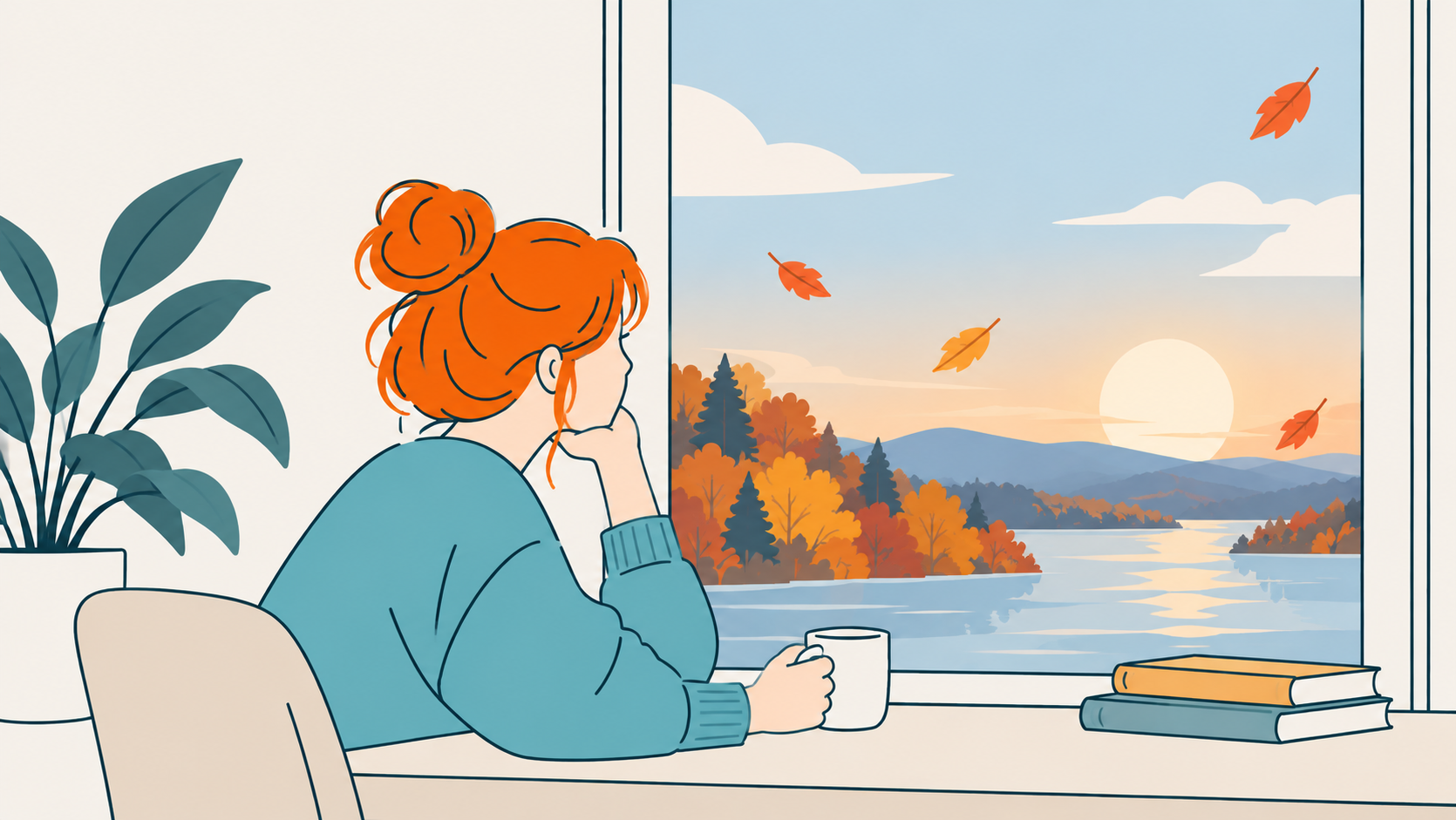
As the days get shorter and the weather gets colder, it’s normal to notice changes in your mood or energy. You may feel a little more tired, spend more time indoors, or find it harder to get motivated.
But what happens when those changes begin affecting your everyday life?
For some people, the shift in seasons can trigger a form of depression known as seasonal affective disorder (SAD), often called seasonal depression. Symptoms typically begin during the fall or winter and improve during the spring and summer, although a less common summer pattern can occur as well.
Understanding the signs of seasonal depression — and knowing when to seek support — can make it easier to take action before symptoms become more difficult to manage.
What Is Seasonal Depression?
Seasonal depression, or seasonal affective disorder (SAD), is a type of depression that follows a recurring seasonal pattern.
For most people who experience SAD, symptoms begin in the late fall or early winter and improve as daylight increases during the spring and summer. This is sometimes referred to as winter-pattern SAD or winter depression. A smaller number of people experience summer-pattern SAD, with symptoms occurring during the spring and summer instead.
Seasonal depression is more than simply preferring warmer weather or feeling disappointed when summer ends. Symptoms can affect your mood, energy, sleep, concentration, relationships, and ability to manage everyday responsibilities.
Seasonal Depression vs. the Winter Blues
Many people experience changes in mood when winter arrives. Colder weather, shorter days, holiday stress, and changes in routine can leave you feeling less energetic or motivated.
But the winter blues and seasonal depression aren’t necessarily the same thing.
The winter blues are generally milder and may involve occasionally feeling down, tired, or less motivated while still being able to handle your normal responsibilities.
Seasonal depression can be more persistent and disruptive.
According to the National Institute of Mental Health (NIMH), more significant symptoms may include social withdrawal, oversleeping, changes in appetite or weight, and depressive symptoms that interfere with daily life.
| Winter Blues | Seasonal Depression |
|---|---|
| Occasional low mood | Persistent depression |
| Lower energy | Significant fatigue |
| Mild changes in motivation | Loss of interest in activities |
| Daily responsibilities remain manageable | Work, relationships, or routines may become difficult |
| Often improves with lifestyle changes | May require professional treatment |
Feeling different during winter doesn’t automatically mean you have SAD. However, if these changes happen repeatedly around the same season or begin interfering with your daily life, it may be worth talking with a mental health professional.
Common Symptoms of Seasonal Depression
Seasonal depression can look different from person to person, and you don’t need to experience every symptom.
Common symptoms may include:
- Persistent sadness, anxiety, or an “empty” mood
- Loss of interest in activities you normally enjoy
- Low energy or fatigue
- Difficulty concentrating or making decisions
- Changes in sleep
- Changes in appetite or weight
- Feelings of hopelessness, guilt, or worthlessness
- Irritability or restlessness
- Social withdrawal
People experiencing winter-pattern seasonal depression may be particularly likely to sleep more than usual, crave carbohydrates, overeat, gain weight, and feel like withdrawing or “hibernating.”
Sometimes seasonal depression doesn’t immediately feel like sadness.
You may simply notice that getting out of bed has become harder, you’re canceling plans more often, you’re struggling to concentrate at work, or things you normally enjoy don’t feel as enjoyable anymore.
Those changes are worth paying attention to.
What Causes Seasonal Depression?
Researchers don’t know the exact cause of seasonal affective disorder, and it likely involves several factors.
One major area of research involves the relationship between daylight and the body’s internal systems.
Shorter daylight hours during fall and winter may affect the body’s circadian rhythm, or internal clock. Seasonal changes may also affect serotonin and melatonin, which are involved in regulating mood and sleep. The Mayo Clinic provides additional information about these possible biological factors.
This may help explain why some people experience changes in:
- Mood
- Sleep
- Energy
- Appetite
- Concentration
- Motivation
However, seasonal depression shouldn’t be reduced to simply “not getting enough sunlight.” SAD is a real form of depression, and its causes are more complex.
Who Is More Likely to Experience Seasonal Depression?
Seasonal depression can affect anyone, but certain factors may increase the likelihood of experiencing it.
According to the American Psychiatric Association, SAD is more common among people living farther from the equator, where there are fewer daylight hours during the winter. Younger people and women also have a higher risk.
Other risk factors may include having a family history of SAD or another form of depression, or already living with major depression or bipolar disorder.
Seasonal Depression in Michigan
Living in a northern state like Michigan means experiencing significant changes in daylight throughout the year.
Fall brings noticeably shorter days, and winter can mean long stretches of limited daylight and more time spent indoors.
That doesn’t mean living in Michigan causes seasonal depression. However, because SAD is more common at higher latitudes, recognizing seasonal changes in your mental health can be especially important for people living in Michigan and other northern states.
If you notice your mood, sleep, energy, or motivation changing around the same time each year, consider discussing that pattern with a mental health professional.
How Is Seasonal Depression Treated?
Seasonal depression is treatable, and there isn’t one treatment that’s right for everyone.
Treatment depends on your symptoms, medical history, other mental health conditions, and individual needs.
The National Institute of Mental Health identifies several approaches to treating SAD, including light therapy, psychotherapy, antidepressant medication, and vitamin D. Some approaches may be used individually or in combination.
Light Therapy
Light therapy, sometimes called phototherapy, has been used to treat winter-pattern SAD for decades.
It involves sitting near a specialized light box that provides bright light intended to compensate for reduced daylight during the fall and winter.
Light therapy isn’t appropriate for everyone. Certain eye conditions and medications that increase sensitivity to light may require additional precautions, so it’s a good idea to speak with a healthcare professional before beginning treatment.
Psychotherapy
Therapy can help people identify patterns in their thoughts, emotions, and behaviors and develop healthier strategies for managing depressive symptoms.
One approach, cognitive behavioral therapy (CBT), has been adapted specifically for seasonal affective disorder. CBT-SAD may incorporate strategies such as challenging negative thoughts and intentionally scheduling meaningful or enjoyable activities.
Medication
For some people, antidepressant medication may be part of treatment for seasonal depression.
A psychiatric provider can evaluate your symptoms, medical history, current medications, and other factors to determine whether medication may be appropriate.
Medication isn’t automatically necessary for seasonal depression, and treatment should always be individualized.
If medication is prescribed, it’s important to take it as directed and speak with your provider before making changes or stopping treatment.
Vitamin D
Because sunlight plays a role in the body’s production of vitamin D, researchers have studied whether vitamin D supplementation can help with winter-pattern SAD.
Research findings have been mixed, however. Vitamin D shouldn’t be considered a guaranteed treatment for seasonal depression.
Rather than assuming a supplement will treat seasonal depression, talk with your healthcare provider about whether checking your vitamin D levels or supplementation makes sense for you.
Small Habits That May Support Your Mental Health During Winter
Professional treatment may be important for seasonal depression, but healthy daily habits can also support your overall mental health.
Consider:
- Spending time outside during daylight hours
- Maintaining a consistent sleep schedule
- Staying physically active
- Keeping regular contact with friends and family
- Making time for activities you enjoy
- Eating regular, balanced meals
- Maintaining a daily routine
- Paying attention to changes in your mood
These habits aren’t a replacement for mental health treatment when it’s needed. Think of them as additional ways to support your well-being throughout the darker months.
When Should You Talk to a Mental Health Professional?
Everyone has difficult days.
But if feeling down begins lasting for days or weeks, you’re losing interest in things you normally enjoy, or changes in sleep, appetite, energy, or motivation are interfering with your life, consider reaching out for professional support.
You also don’t need to wait until your symptoms become severe.
Recognizing a seasonal pattern early may make it easier to develop a treatment plan and prepare for the times of year when symptoms tend to return.
If you’re unsure where to begin, learning more about psychiatric treatment and medication management can help you understand what treatment options may be available.
Can Virtual Psychiatry Help With Seasonal Depression?
For some people, virtual psychiatry can make getting help for seasonal depression more convenient.
Instead of traveling to an office, telehealth psychiatry allows you to meet with a psychiatric provider through a secure virtual appointment from home.
At Mind Health Group, our psychiatric providers can evaluate your symptoms, discuss your mental health history, review potential treatment options, and provide ongoing medication management when appropriate.
Virtual psychiatric care can also support people experiencing other mental health concerns alongside depression, including anxiety. If anxiety is affecting your daily life, you can learn more about virtual psychiatry for anxiety and what to expect from treatment.
Virtual care can be especially helpful during the fall and winter months, when weather, shorter days, busy schedules, or low motivation can make getting to appointments more difficult.
If you’ve noticed that your mood changes every fall or winter, you don’t have to wait until those symptoms become overwhelming to reach out.
Support is here when you’re ready.
Get Started with Mind Health Group →
Frequently Asked Questions About Seasonal Depression
Is seasonal depression the same as seasonal affective disorder?
Generally, yes. Seasonal depression is a common way of referring to seasonal affective disorder (SAD), a type of depression characterized by a recurring seasonal pattern. Winter-pattern SAD is the most common form.
What month does seasonal depression usually start?
There isn’t one specific month when SAD begins for everyone. Winter-pattern symptoms generally begin during the late fall or early winter and improve during spring or summer.
How do I know if I have seasonal depression or just the winter blues?
The severity, duration, and impact of your symptoms are important. Mild seasonal changes may leave you feeling somewhat less energetic while still allowing you to manage everyday life.
SAD involves depressive symptoms that can significantly affect how you feel, think, behave, and function. A healthcare professional can evaluate your symptoms and determine whether they meet the criteria for SAD.
Does vitamin D help seasonal depression?
Possibly, but research has produced mixed results. Vitamin D shouldn’t be considered a guaranteed treatment for seasonal depression. Talk with a healthcare professional before beginning supplements, particularly if you’re taking other medications.
Can a psychiatrist treat seasonal depression?
Yes. A psychiatric provider can evaluate depressive symptoms and discuss appropriate treatment options, which may include medication when clinically appropriate. Treatment may also involve psychotherapy, light therapy, lifestyle changes, or a combination of approaches.
You Don’t Have to Wait for Winter to Get Help
If you’ve started noticing the same changes in your mood every year as the days get shorter, it’s worth paying attention.
Seasonal depression can affect your energy, motivation, sleep, relationships, and ability to enjoy everyday life — but treatment and support are available.
At Mind Health Group, we make accessing psychiatric care easier through convenient virtual appointments. Our providers can help you better understand what you’re experiencing and work with you to develop an individualized treatment plan.
Relief starts here.
Get Started →
If you or someone you know is experiencing thoughts of suicide or is in emotional distress, call or text the 988 Suicide & Crisis Lifeline at 988. In a life-threatening emergency, call 911.
Related Articles
Why Do I Replay Conversations Over and Over? Understanding Rumination

Mind Health Group Team
10.21.26
Why Am I Tired All the Time? The Connection Between Mental Health and Fatigue
Mind Health Group Team
10.14.26

Digital Detox and Mental Health: Why Taking a Break From Screens Matters
Mind Health Group Team
05.08.26