
Postpartum Rage: Signs, Symptoms, Causes & Treatment

Candyce Wilson
08.03.26
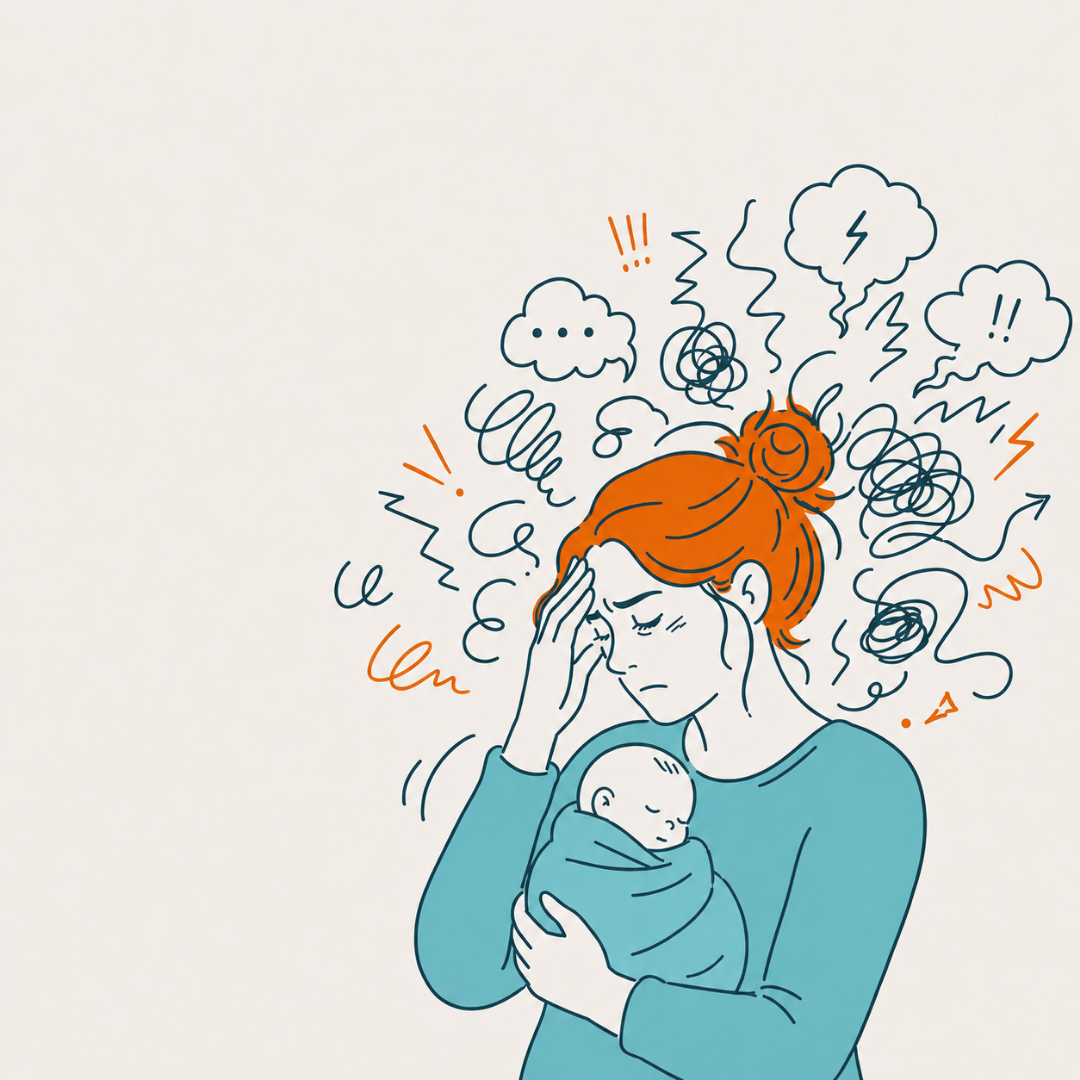
Postpartum Rage: The Lesser-Known Symptom No One Talks About
Postpartum rage is a symptom of postpartum mood disorders characterized by intense anger, irritability, and emotional outbursts after childbirth. Although it is not a standalone diagnosis, it commonly occurs alongside postpartum depression and postpartum anxiety.
Many people associate postpartum mental health with sadness or anxiety, but another common symptom often goes unrecognized: postpartum rage. Also known as postpartum anger, this experience can leave new mothers feeling overwhelmed, easily irritated, and emotionally exhausted. Understanding the signs can help you recognize when it’s time to seek support.
Understanding postpartum rage can help new mothers recognize the signs, reduce feelings of isolation, and seek support when needed.
What Is Postpartum Rage?
Postpartum rage refers to intense anger, irritability, or emotional outbursts that occur after childbirth. While it is not a standalone mental health diagnosis, it is often associated with postpartum depression, postpartum anxiety, and other postpartum mood disorders.
Many women experiencing postpartum rage report feeling like they are constantly on edge, overwhelmed by small frustrations, or reacting more intensely than they normally would.
Common Signs and Symptoms of Postpartum Rage
Every mother’s experience is unique, but postpartum rage may include:
- Frequent irritability
- Feeling easily overwhelmed
- Sudden bursts of anger
- Yelling or snapping at loved ones
- Intense frustration over minor issues
- Feelings of guilt after emotional outbursts
- Difficulty calming down after becoming upset
Some women describe feeling like they are “boiling over” emotionally, even when they desperately want to remain calm.
How Common Is Postpartum Rage?
Although postpartum rage is not an official diagnosis, research suggests that irritability and anger are common symptoms among individuals experiencing postpartum depression and postpartum anxiety. Because many mothers feel embarrassed discussing anger after childbirth, postpartum rage is believed to be underreported.
What Causes Postpartum Rage?
Several factors may contribute to postpartum rage.
Hormonal Changes
After childbirth, hormone levels shift dramatically. These rapid changes can affect mood regulation and emotional well-being.
Sleep Deprivation
Newborn care often means interrupted sleep and exhaustion. Lack of sleep can make it harder to manage stress, regulate emotions, and respond calmly to challenges.
Increased Stress and Responsibility
Adjusting to life with a new baby can feel overwhelming. Many parents face:
- New responsibilities
- Feeding challenges
- Financial stress
- Relationship changes
- Pressure to be a “perfect” parent
Over time, these stressors can contribute to feelings of frustration and anger.
Underlying Postpartum Mental Health Conditions
Postpartum rage is frequently linked to:
- Postpartum depression
- Postpartum anxiety
- Obsessive-compulsive symptoms
- Mood disorders
In some cases, anger may be one of the most noticeable symptoms, even when sadness is less obvious.
Signs It May Be Time to Seek Help
It’s normal to feel frustrated occasionally during the postpartum period. However, professional support may be beneficial if:
- Anger feels difficult to control
- Emotional outbursts occur frequently
- Symptoms are affecting relationships
- You feel overwhelmed most days
- You experience persistent anxiety or depression
- Feelings of guilt or shame are becoming overwhelming
Seeking support early can help prevent symptoms from worsening and improve overall well-being.
How Postpartum Rage Is Treated
The good news is that postpartum rage is treatable.
Treatment options may include:
Medication Management
For some individuals, medication may help address symptoms related to postpartum depression, anxiety, or mood dysregulation.
Therapy
Working with a mental health professional can help identify triggers, improve coping strategies, and address underlying emotional challenges.
Self-Care and Support Systems
Simple but meaningful strategies may include:
- Prioritizing rest when possible
- Accepting help from family and friends
- Practicing mindfulness or meditation
- Setting realistic expectations
- Taking breaks when needed
Remember: asking for help is a sign of strength, not weakness.
You Are Not a Bad Parent
One of the most important things to understand about postpartum rage is that it does not make you a bad parent.
Many mothers experiencing postpartum mental health challenges feel ashamed of their emotions. In reality, postpartum rage is often a sign that additional support, rest, and care are needed.
You deserve the same compassion and understanding that you give to others.
How Mind Health Group Can Help
At Mind Health Group, we understand the emotional challenges that can arise during the postpartum period. Our telehealth psychiatric providers offer compassionate, personalized care for individuals experiencing postpartum depression, anxiety, and other maternal mental health concerns.
Through convenient virtual appointments, we can help you find the support and treatment you need from the comfort of your home.
Get Support for Postpartum Rage
If you’re experiencing postpartum rage, postpartum anxiety, or postpartum depression, our compassionate psychiatric providers are here to help. Mind Health Group offers convenient virtual appointments across Michigan so you can receive expert mental health care from home.
Frequently Asked Questions About Postpartum Rage
Is postpartum rage normal?
Feeling frustrated occasionally after having a baby is common. However, frequent or intense anger that interferes with daily life may be a sign of a postpartum mood disorder and should be discussed with a healthcare provider.
How long does postpartum rage last?
The duration varies. Some women experience symptoms for a few weeks, while others may continue to struggle for several months if symptoms go untreated.
Can postpartum rage happen without postpartum depression?
Yes. While postpartum rage often occurs alongside postpartum depression or anxiety, some individuals primarily experience anger or irritability.
When should I seek help for postpartum rage?
If anger feels difficult to control, affects your relationships, or causes significant distress, it’s important to speak with a mental health professional.