
What Does PTSD Feel Like? Signs, Symptoms, and Treatment

Candyce Wilson
08.25.26
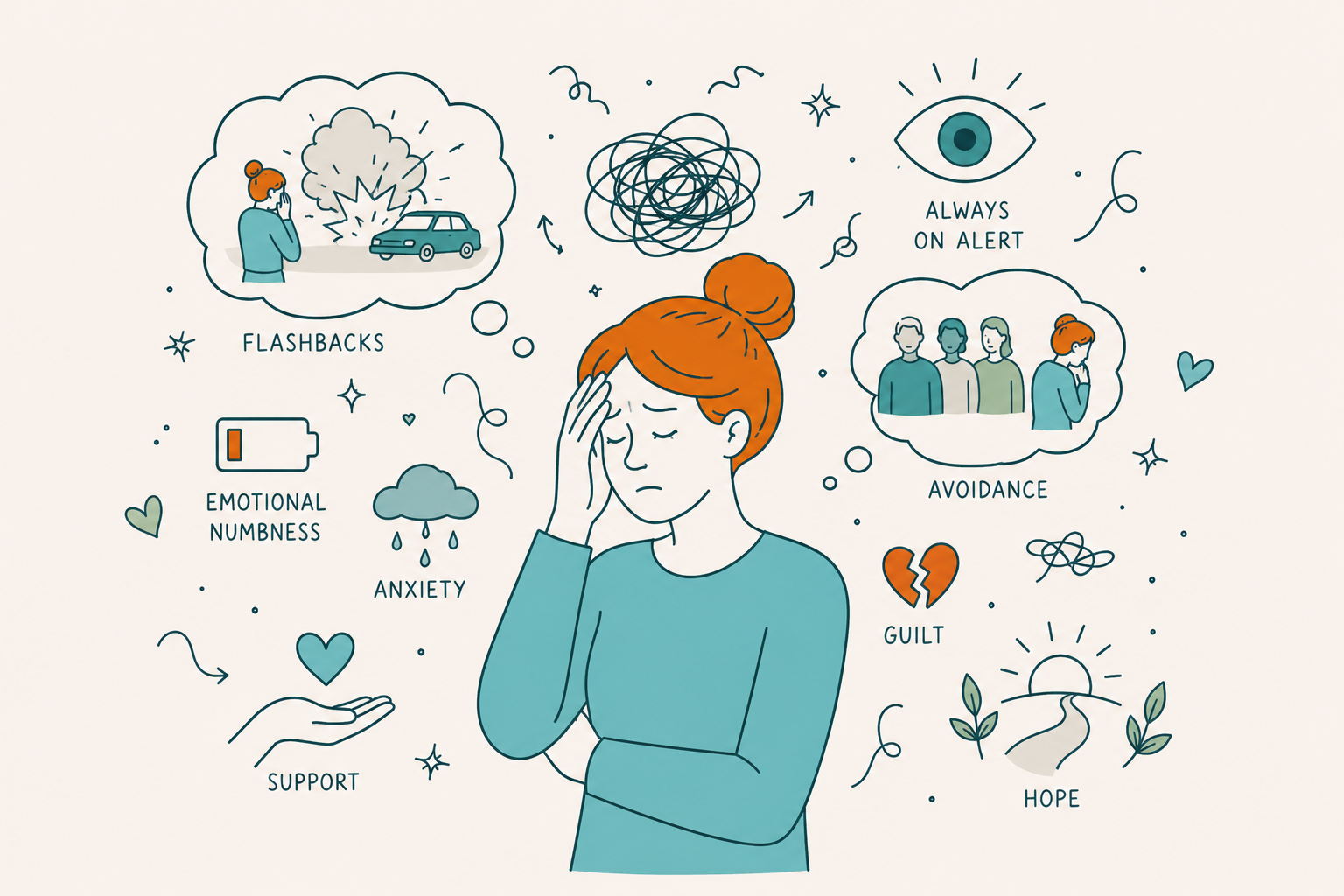
Post-traumatic stress disorder (PTSD) can affect the way a person thinks, feels, sleeps, connects with others, and responds to everyday situations. For some people, it can feel like being constantly on alert. For others, PTSD may involve upsetting memories, nightmares, emotional numbness, avoidance, or a sense that the traumatic experience is happening all over again.
So, what does PTSD feel like? There isn’t one universal experience. PTSD symptoms can vary depending on the person and the trauma they experienced. However, many people describe feeling stuck in “survival mode,” even when they are no longer in danger.
Recognizing the signs and symptoms of PTSD can help you understand what you may be experiencing and when it may be time to seek professional support.
What Is PTSD?
Post-traumatic stress disorder (PTSD) is a mental health condition that may develop after experiencing or witnessing a traumatic event.
According to the National Institute of Mental Health (NIMH), traumatic experiences that may be associated with PTSD include serious accidents, natural disasters, acts of violence, physical or sexual assault, abuse, and military combat.
Other traumatic experiences may also contribute to PTSD.
Not everyone who experiences trauma develops PTSD. Many people experience temporary stress reactions following a traumatic event that gradually improve. With PTSD, symptoms persist and can interfere with daily life, relationships, work, or other important areas of functioning.
What Does PTSD Feel Like Day to Day?
Living with PTSD can feel different from one person to another. Symptoms may also change over time or become more noticeable in response to certain triggers.
Some people describe PTSD as feeling as though their mind and body remain prepared for danger, even when they know they are safe.
Here are some of the most common ways PTSD may feel in everyday life.
Feeling Constantly on Edge
PTSD can leave you feeling unusually alert or unable to fully relax. This is sometimes referred to as hyperarousal or hypervigilance.
You may experience:
- Being easily startled
- Feeling tense, restless, or irritable
- Difficulty concentrating
- Trouble falling or staying asleep
- Constantly checking your surroundings
- Feeling as though something bad is about to happen
These reactions can make everyday environments feel exhausting or overwhelming.
Flashbacks, Nightmares, and Intrusive Memories
One of the most recognizable symptoms of PTSD is re-experiencing the trauma.
This may include:
- Flashbacks
- Recurring or intrusive memories
- Distressing dreams or nightmares
- Strong emotional reactions to reminders of the trauma
- Physical stress reactions, such as sweating or a racing heartbeat
A sound, smell, location, conversation, date, or other reminder can sometimes trigger these reactions.
During a flashback, the memory can feel extremely vivid. Some people may temporarily feel as though they are back in the traumatic situation rather than simply remembering it.
Avoiding Reminders of the Trauma
Avoidance is another common PTSD symptom.
Someone may try to avoid:
- Places associated with the traumatic event
- People connected to the experience
- Conversations about what happened
- Thoughts or feelings related to the trauma
- Activities or situations that bring back difficult memories
Avoidance can provide short-term relief from distress. Over time, however, it may interfere with relationships, responsibilities, and activities that were once important to the person.
Feeling Emotionally Numb or Disconnected
PTSD doesn’t always feel like intense fear or panic. Sometimes, it can feel like not feeling much at all.
Emotional symptoms may include:
- Feeling detached from family or friends
- Difficulty experiencing positive emotions
- Losing interest in hobbies or activities
- Feeling emotionally numb
- Feeling disconnected from yourself or your surroundings
This emotional distance can make maintaining relationships or enjoying everyday experiences more difficult.
Guilt, Shame, and Negative Thoughts
Trauma can also change the way someone thinks about themselves, other people, or the world.
A person with PTSD may experience:
- Persistent guilt or shame
- Self-blame
- Negative beliefs about themselves
- Difficulty trusting others
- Feelings of hopelessness
- A belief that the world is unsafe
PTSD can also occur alongside other mental health concerns, including depression and anxiety.
What Does a PTSD Trigger Feel Like?
A PTSD trigger is something that reminds a person of the traumatic experience and causes an emotional or physical response.
Triggers can be obvious, such as returning to the location where something happened. Others can be subtle, such as a particular smell, sound, phrase, time of year, or physical sensation.
When triggered, a person may experience:
- Sudden fear or panic
- Racing heartbeat
- Sweating
- Muscle tension
- Shaking
- Intrusive memories
- Feeling frozen or unable to respond
- An urge to escape the situation
- Feeling unusually angry or irritable
The reaction may seem disproportionate to the current situation because the brain and body are responding to a reminder of past danger.
What Are the Physical Symptoms of PTSD?
PTSD can affect the body as well as the mind. The body’s stress response may remain highly reactive even after the traumatic event has ended.
Physical symptoms associated with trauma and PTSD may include:
- Headaches
- Muscle tension
- Fatigue
- Rapid heartbeat
- Sweating
- Digestive discomfort
- Difficulty falling or staying asleep
- Feeling easily startled
Physical symptoms can have many possible causes, so persistent or concerning symptoms should be discussed with a qualified healthcare professional.
How Do You Know If You Have PTSD?
Experiencing distress after trauma does not automatically mean someone has PTSD.
A mental health professional evaluates PTSD based on several factors, including the types of symptoms a person experiences, how long they have been present, and how significantly they affect daily functioning.
In adults, PTSD symptoms generally involve four areas:
- Re-experiencing symptoms, such as flashbacks, nightmares, or intrusive memories
- Avoidance symptoms, such as avoiding thoughts, people, places, or situations associated with the trauma
- Arousal and reactivity symptoms, such as feeling tense, irritable, easily startled, or having difficulty sleeping
- Cognition and mood symptoms, such as guilt, negative beliefs, loss of interest, or emotional detachment
Symptoms must persist for more than one month and cause meaningful distress or problems with daily functioning for a PTSD diagnosis.
Only a qualified healthcare professional can determine whether your symptoms meet the criteria for PTSD.
When Should You Seek Help for PTSD Symptoms?
It is common to experience distress immediately following a traumatic event. For many people, these reactions gradually become less intense.
Consider seeking professional support if symptoms:
- Continue or worsen over time
- Persist for more than a month
- Interfere with work, school, or relationships
- Make it difficult to complete everyday responsibilities
- Cause significant emotional distress
- Lead you to increasingly isolate yourself or avoid important parts of your life
You do not need to wait until symptoms become severe to speak with a mental health professional.
Can PTSD Be Treated?
Yes. PTSD is treatable, and effective treatment options are available.
Treatment should be personalized to the individual’s symptoms, health history, needs, and preferences. A treatment plan may involve psychotherapy, medication, or a combination of approaches.
Therapy for PTSD
Talk therapy, also known as psychotherapy, can help people understand their symptoms, identify triggers, develop coping strategies, and address thoughts and emotions related to traumatic experiences.
Evidence-based psychotherapies for PTSD can include approaches that use cognitive and/or exposure-based techniques.
Medication Management
For some people, medication may be part of PTSD treatment. Certain medications can help manage PTSD symptoms or related concerns such as anxiety, depression, or sleep difficulties.
Medication management allows a psychiatric provider to evaluate symptoms, determine whether medication may be appropriate, and monitor treatment over time.
Medication decisions should always be made with a qualified healthcare professional based on an individual’s specific needs and medical history.
Mindfulness and Stress Management
Mindfulness, relaxation techniques, breathing exercises, and meditation may help some people manage stress and support emotional regulation as part of a broader treatment plan.
Online meditation can provide structured opportunities to practice mindfulness and relaxation techniques.
These practices can complement professional PTSD treatment but should not be considered a replacement for evidence-based care when treatment is needed.
Healthy Daily Habits
Daily routines can also support overall mental health and recovery. Helpful habits may include:
- Maintaining a consistent sleep routine
- Exercising regularly when appropriate
- Spending time with supportive people
- Limiting alcohol and avoiding recreational drug use
- Practicing stress-management techniques
- Following the treatment plan recommended by your healthcare provider
Recovery looks different for everyone, and improvement may happen gradually.
How Mind Health Group Can Help With PTSD
At Mind Health Group, we provide virtual mental health care for individuals experiencing PTSD symptoms, trauma-related concerns, anxiety, depression, and other mental health challenges.
Our providers work with patients to understand their symptoms and develop personalized care plans based on their individual needs. Depending on the patient, care may include psychiatric evaluation, medication management, therapy, and ongoing mental health support.
Telehealth appointments can also make it easier to access professional care from a private and familiar environment.
Take the First Step Toward Feeling Better
PTSD can feel frightening, isolating, exhausting, or unpredictable. But experiencing PTSD symptoms does not mean you have to live with them indefinitely.
Understanding what PTSD feels like and recognizing common symptoms—including flashbacks, hypervigilance, avoidance, emotional numbness, sleep problems, and negative changes in mood—can be an important first step toward getting appropriate support.
If trauma-related symptoms are interfering with your daily life, consider speaking with a qualified mental health professional.
Contact Mind Health Group to learn more about available mental health services and treatment options.