
Emotional Resilience: 6 Daily Habits for a Stronger Mind

Mind Health Group Team
10.27.25
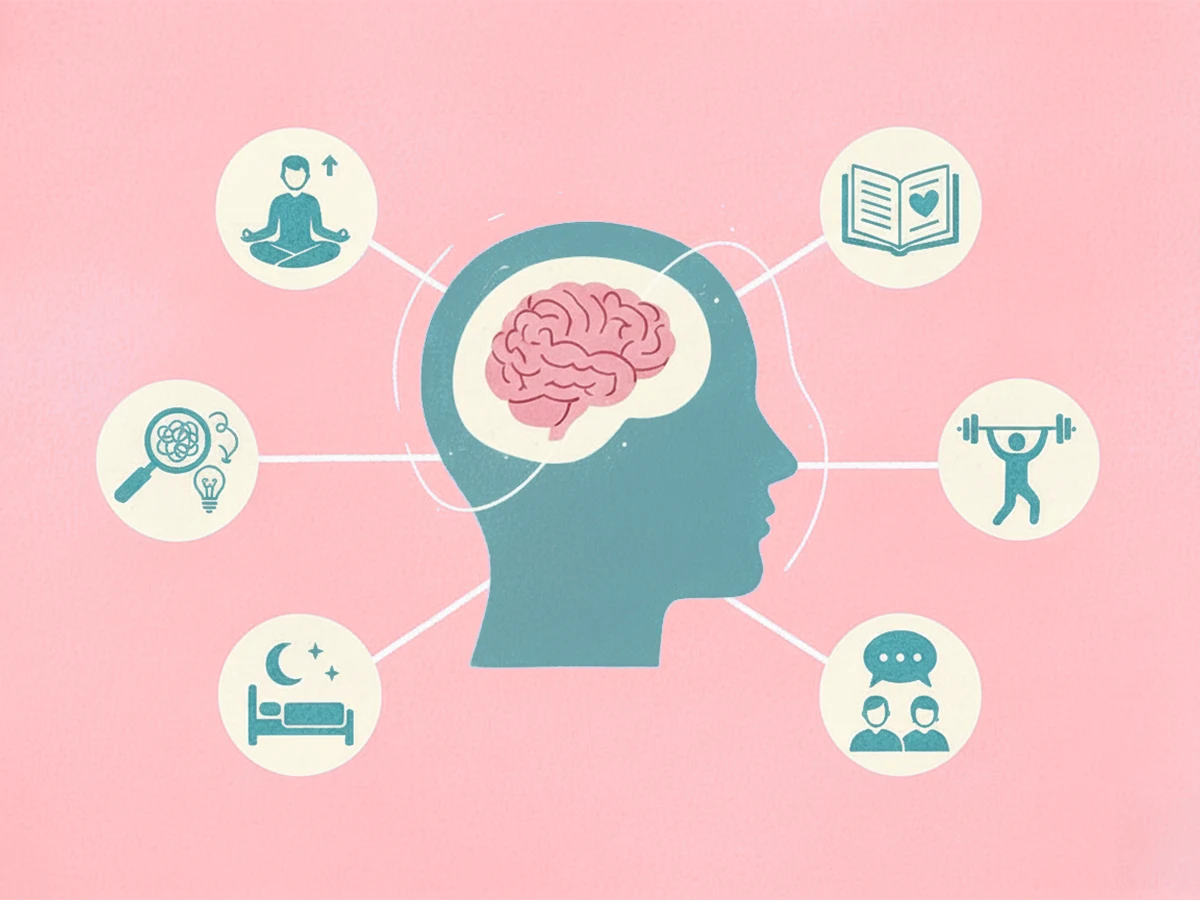
In a fast-paced world full of stressors, the ability to bounce back from emotional challenges what psychologists call emotional resilience is more vital than ever. Emotional resilience doesn’t mean you never feel stress or sadness; rather, it’s the capacity to recover, adapt, and grow stronger over time. Research from the American Psychological Association underscores that resilience is not a fixed trait but a skill you can cultivate. American Psychological Association
By integrating small, consistent habits into your daily life, you can fortify your emotional resilience. Here are six daily practices that support a stronger, more flexible mind.
Practice Mindful Awareness (Even in Brief Moments)
One of the foundational steps in building resilience is increasing self-awareness, recognizing your emotional states, triggers, and responses. Mindfulness and short meditation breaks help you observe thoughts and feelings without automatically reacting.
- How to try it: Pause two or three times a day for one minute. Take a few deep breaths, notice sensations in the body, label the emotion you’re feeling (e.g. “I’m anxious,” “I’m tired”) without judgment, and return to your task.
- Why it helps: Labeling emotions reduces their intensity, and mindfulness has been shown to decrease emotional reactivity. drselhub.com/American Psychological Association
Even a simple “micro meditation” can interrupt stress escalation and build mental flexibility over time.
Cultivate Gratitude and Positive Reflection
Gratitude is one of the most well-researched tools to shift mindset from what’s going wrong to what’s going right. Over time, a gratitude habit rewires attention toward possibility, meaning, and resourcefulness.
- Daily habit: Each evening (or morning), write down three things you’re grateful for or three positive events from the day and why they occurred.
- Bonus step: Reflect on how you contributed to at least one of those good things (this strengthens agency).
- Evidence: Gratitude journaling is linked to improved mood, reduced stress, and greater resilience. drselhub.com
Over time, this helps reduce the brain’s “negativity bias” and balance emotional perspective.
Practice Cognitive Reframing or “Catch-Check-Change”
Our thoughts strongly influence how we feel. Reframing negative or distorted thoughts is a core cognitive-behavioral skill and is foundational for emotional resilience.
- Catch: Notice when you have an unhelpful thought (e.g., “I always mess up”).
- Check: Examine the evidence. Is that thought fully accurate? Is there another perspective?
- Change: Replace it with a more balanced, compassionate thought (e.g., “Sometimes I make mistakes, but I can learn from them”).
This habit strengthens mental agility and reduces rumination. drselhub.com
Over time, your brain becomes better at spotting cognitive distortions earlier and more automatically shifting perspective.
Move Your Body — Even Briefly
Physical activity is not just beneficial for your body it plays a fundamental role in mental health. Movement helps regulate stress hormones, improve mood, and ground us in the present moment.
- Daily goal: Aim for at least 10–20 minutes of movement you enjoy walk, stretch, yoga, dance, or simple bodyweight movement.
- Micro-movement breaks: Stand, stretch, or walk for 2 minutes every hour if possible.
Regular movement supports resilience by releasing tension, boosting endorphins, and renewing energy reserves. American Psychological Association
Foster Social Connection & Reach Out
Humans are relational beings, and social support is a key buffer against stress. Emotional resilience grows in connection.
- Daily habit: Reach out (text, call, check in) with a friend, family member, or colleague.
- Depth over frequency: Even brief moments of authentic connection. Listening and expressing care can strengthen resilience more than many superficial interactions.
Positive Psychology underscores that fostering supportive relationships and sharing resilience stories are powerful tools. PositivePsychology.com
Prioritize Rest, Recovery, and Sleep Hygiene
Resilience is not just about pushing forward, it’s equally about recovery. The brain and body heal during rest, and inadequate sleep undermines emotional regulation.
- Evening wind-down: Create a pre-sleep routine that reduces stimulation (e.g., reading, stretching, journaling).
- Consistency: Go to bed and wake up at the same time daily.
- Micro-rest: During midday, take short breaks to step away mentally and breathe, gaze out a window, or step outside for a few minutes.
The APA recommends restorative practices (like journaling, meditation, restful activities) as part of building resilience. American Psychological Association
Putting It All Together: A Sample Daily Routine
Here’s one possible way to string these habits together meaningfully:
| Time | Habit | Quick Tip |
|---|---|---|
| Morning (upon waking) | Mindfulness pause + intention-setting | Use 2 minutes to ground and set your tone |
| Mid-morning | Movement break | Stretch or walk for 5 minutes |
| Midday | Social check-in / micro mindfulness | Send a supportive message or do a 1-min pause |
| Afternoon | Cognitive reframing | Catch any negative thinking pattern and apply “check-change” |
| Evening | Gratitude journaling + wind-down | Review 3 positive things and prep for sleep |
| Before bed | Rest / light movement / reading | Calm your nervous system |
Over weeks, these small practices accumulate to bolster emotional flexibility and mental strength.
Tips to Sustain These Habits
- Start small. Pick one or two habits first — don’t overwhelm yourself.
- Use habit stacking. Attach a new habit to an existing one (e.g. gratitude journaling right after brushing teeth).
- Track progress. Use a simple checklist or habit tracker to build consistency.
- Be kind to yourself. Missed days happen. What matters is returning to the habit, not perfection.
- Mindfulness meditation
Emotional resilience is not a destination it’s a daily practice. By weaving in simple habits like mindful awareness, gratitude, cognitive reframing, movement, connection, and restorative rest, you gradually build a mental “reserve” to draw on when life gets tough.
If you’re part of a mental health community or group, encourage members to try one habit for a week and share their experience. Small shifts, consistently practiced, become the foundation of lasting strength.