
Senior Mental Health Conditions
Learn more about the symptoms and experiences that may be affecting your emotional well-being.
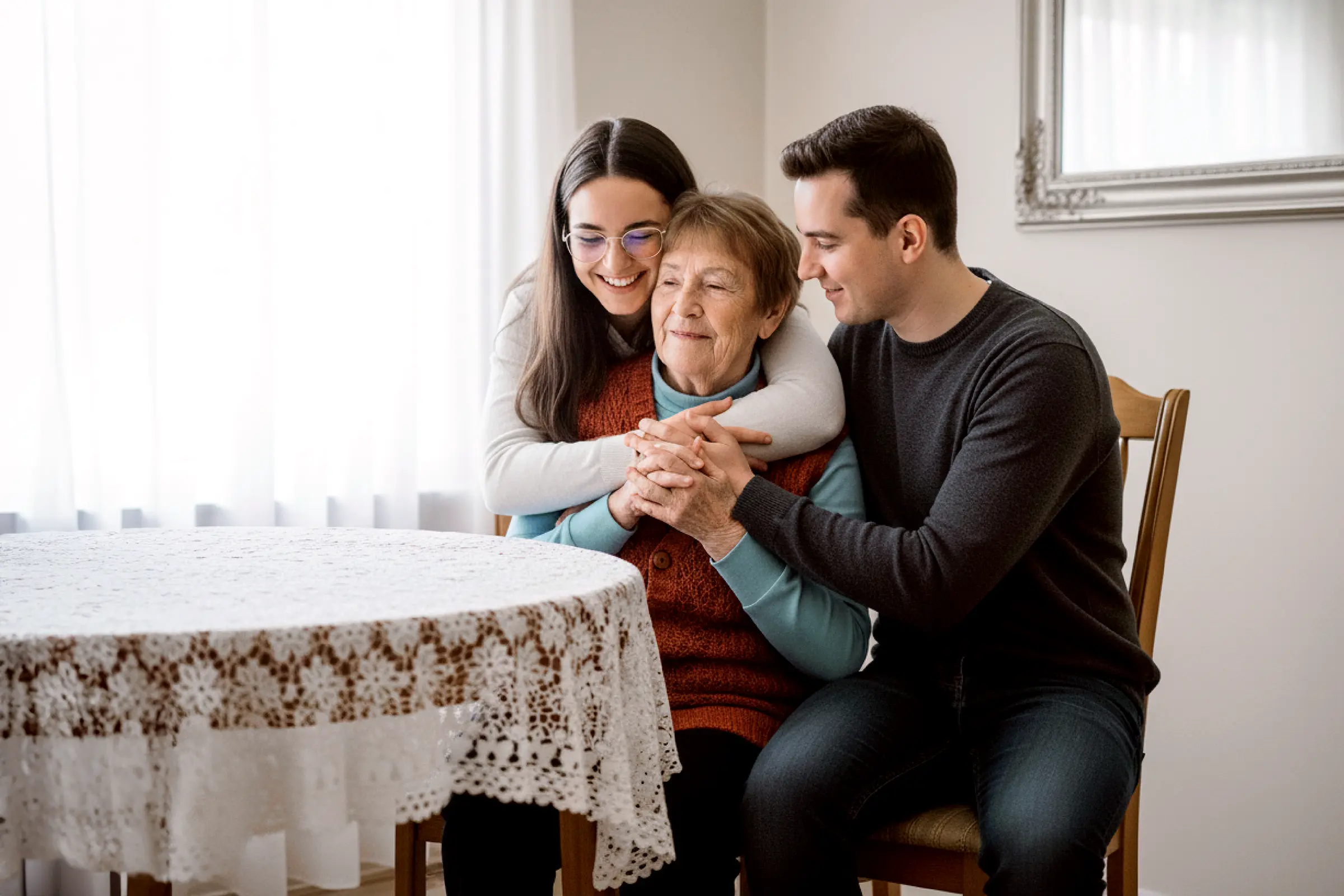
Cognitive Decline & Dementia
Description:
Cognitive decline and dementia-related conditions involve a gradual loss of memory, thinking skills, and the ability to perform everyday activities. These changes are more than normal aging — they can significantly impact quality of life and independence. Early recognition and supportive care can help manage symptoms, maintain function, and improve overall well-being for seniors and their families.
Statistic:
Approximately 6.7 million Americans age 65 and older are living with Alzheimer’s or another form of dementia, highlighting the prevalence and importance of early detection and care.
Common Symptoms:
- Memory loss that disrupts daily life
- Difficulty planning, problem-solving, or making decisions
- Confusion with time, place, or familiar tasks
- Changes in mood, personality, or behavior
- Trouble understanding visual images or spatial relationships
Depression & Anxiety
Description:
Depression and anxiety are common among older adults and can significantly impact daily life, relationships, and overall well-being. These conditions are not a normal part of aging. Seniors may face unique challenges, such as health changes, loss of loved ones, or social isolation, which can contribute to emotional distress. With proper care, symptoms can be managed, helping seniors regain joy, energy, and balance in life.
Statistic:
Approximately 7 million adults aged 65 and older experience symptoms of depression, while nearly 11% report significant anxiety, highlighting the importance of recognizing and treating these conditions in seniors.
Common Symptoms:
- Persistent sadness, hopelessness, or irritability
- Excessive worry or fear about daily life or health
- Fatigue, low energy, or changes in sleep patterns
- Difficulty concentrating or making decisions
- Social withdrawal or loss of interest in activities once enjoyed
Mood Disorders
Description:
Mood disorders in seniors include conditions such as depression, anxiety, and bipolar-related symptoms that can significantly affect emotional well-being, energy, and daily functioning. These conditions are not a normal part of aging, and recognizing them early can improve quality of life. Seniors may experience mood changes due to health challenges, medication side effects, or life transitions, and with proper care, symptoms can be managed effectively.
Statistic:
Approximately 7–10% of adults aged 65 and older experience clinically significant mood disorders, emphasizing the importance of awareness and treatment in the senior population.
Common Symptoms:
- Persistent sadness, irritability, or hopelessness
- Excessive worry, fear, or anxiety
- Fatigue, low energy, or changes in sleep and appetite
- Difficulty concentrating or making decisions
- Withdrawal from social activities or loss of interest in hobbies
Late-Life Bipolar Disorder
Description:
Late-life bipolar disorder is a mood condition that affects older adults, often characterized by alternating periods of elevated mood (mania or hypomania) and depression. While bipolar disorder often begins earlier in life, it can sometimes first appear in older adulthood, often triggered by medical changes, stress, or medication interactions. Recognizing symptoms early can help seniors maintain emotional stability, independence, and quality of life.
Statistic:
An estimated 10–25% of all bipolar disorder cases occur in adults aged 60 and older, with many experiencing unique challenges due to age-related health factors and life transitions.
Common Symptoms:
- Periods of unusually high energy, restlessness, or irritability
- Rapid mood changes between sadness and elevated mood
- Trouble sleeping or needing very little sleep
- Difficulty concentrating or making decisions
- Fatigue, hopelessness, or loss of interest during depressive episodes
Sleep Disorders
Description:
Sleep disorders in seniors are extremely common and can significantly impact mood, memory, energy, and overall well-being. As adults age, natural changes in sleep cycles, medical conditions, pain, and medications can make it harder to fall asleep, stay asleep, or feel rested in the morning. When sleep problems persist, they can lead to emotional distress, cognitive decline, or worsening of other health issues. Recognizing and treating sleep disorders early helps seniors feel more alert, balanced, and connected in their daily lives.
Statistic:
Research shows that up to 50% of adults over age 65 experience some form of chronic sleep disturbance or insomnia.
Common Symptoms:
- Difficulty falling asleep or waking up frequently during the night
- Feeling tired, irritable, or unfocused during the day
- Waking up too early and being unable to return to sleep
- Restless or fragmented sleep
- Increased anxiety or worry around bedtime
Grief & Adjustment Issues
Description:
Grief and major life adjustments are common experiences for seniors, especially as they navigate losses such as the death of loved ones, health changes, retirement shifts, or reduced independence. While grief is a natural response, some older adults may struggle with prolonged sadness, emotional numbness, or difficulty adapting to new life circumstances. These challenges can impact mental health, daily functioning, and overall quality of life. With compassionate support, seniors can find stability, meaning, and emotional healing.
Statistic:
Studies show that up to 30% of older adults experience significant grief-related distress or difficulty adjusting after major life changes.
Common Symptoms:
- Persistent sadness, emptiness, or tearfulness
- Feelings of guilt, hopelessness, or worthlessness
- Difficulty bonding with your baby
- Changes in sleep or appetite (too little or too much)
- Feeling overwhelmed, anxious, or withdrawn
Chronic Stress & Loneliness
Description:
Chronic stress and loneliness are increasingly common challenges for seniors, often brought on by health changes, reduced mobility, social isolation, or the loss of meaningful connections. Over time, these emotional strains can affect both mental and physical health—impacting sleep, memory, mood, and overall well-being. Many older adults quietly carry these feelings, unsure of how to cope or where to turn for support. With the right care, seniors can regain a sense of connection, calm, and emotional balance.
Statistic:
Research indicates that one in three adults over age 60 experiences significant loneliness, and chronic stress is linked to higher rates of depression, cognitive decline, and medical complications in older adults.
Common Symptoms:
- Persistent feelings of isolation, sadness, or emptiness
- Increased worry, irritability, or emotional overwhelm
- Trouble sleeping or changes in appetite
- Decreased motivation or interest in activities
- Difficulty concentrating or feeling mentally “foggy”
Anger & Irritability
Description:
As we age, life changes—like health challenges, loss of independence, or social isolation—can sometimes lead to persistent feelings of anger or irritability. For seniors, these emotions may feel overwhelming or difficult to control, affecting relationships and daily routines. Recognizing and addressing these feelings is an important step toward emotional well-being, helping seniors regain patience, calm, and a sense of balance in their lives.
Statistic:
Studies suggest that up to 15% of older adults experience ongoing irritability or anger that significantly impacts daily life, often co-occurring with depression, anxiety, or chronic health conditions
Common Symptoms:
- Frequent frustration or impatience over minor issues
- Heightened sensitivity to stress or perceived slights
- Difficulty controlling temper or outbursts
- Withdrawal from social interactions due to irritability
- Physical symptoms such as tension, headaches, or sleep disturbances