
Anxiety vs. Overthinking: How to Know When It’s More Than Stress

Mind Health Group Team
02.06.26
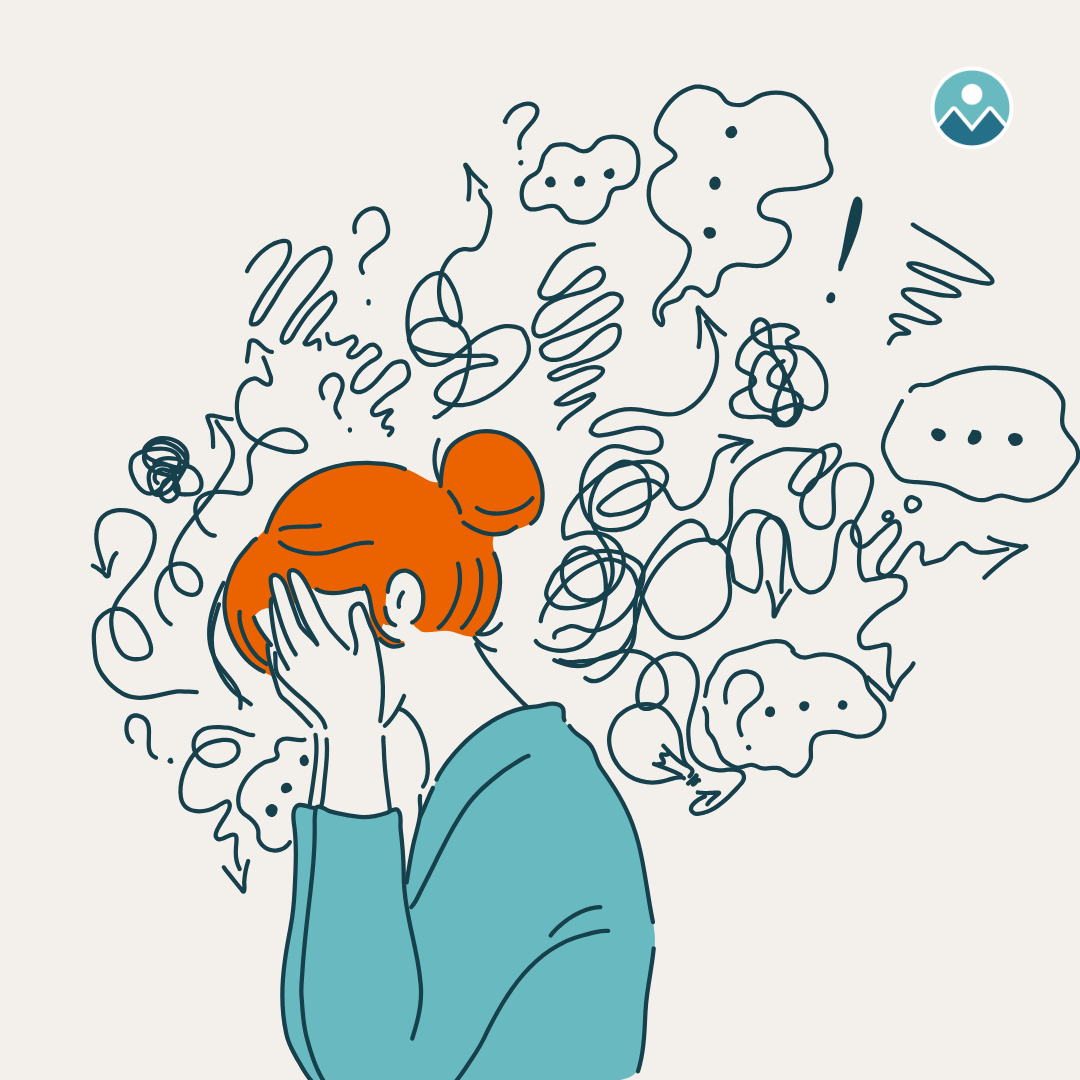
We all get stuck in our heads sometimes. Maybe you replay a conversation you wish had gone differently, or you can’t stop thinking about a deadline at work. Overthinking is something everyone does—but what if those racing thoughts don’t stop? What if they start interfering with your sleep, your health, or your ability to function day to day?
That’s when it might be more than just stress. It could be anxiety.
At Mind Health Group, (About Us) we help people every day, who thought they “just needed to calm down,” only to discover that anxiety is a real, medical condition—and it’s treatable. Here’s how to tell the difference between simple overthinking and anxiety that may require professional support.
What Is Overthinking?
Overthinking happens when your brain gets stuck on a loop. It often centers on past mistakes or future worries:
-
Replaying something you said to a friend.
-
Stressing about what might go wrong at work.
-
Rehearsing scenarios in your head that may never happen.
While frustrating, overthinking is usually temporary and tied to specific situations. Most people can move past it once the issue is resolved.
What Is Anxiety?
Anxiety goes beyond everyday stress. It’s a mental health condition that impacts both the mind and the body. Unlike overthinking, anxiety often lingers, even when there’s no immediate reason to feel stressed.
Common symptoms of anxiety include:
-
Constant, uncontrollable worry
-
Feeling restless or on edge
-
Difficulty concentrating
-
Racing heartbeat, sweating, or shortness of breath
-
Fatigue or trouble sleeping
Anxiety can feel overwhelming because it doesn’t switch off—even when you try to distract yourself.
Key Differences: Overthinking vs. Anxiety
| Overthinking | Anxiety |
|---|---|
| Usually short-term and situational | Persistent, lasting weeks or months |
| Primarily mental thought loops | Mental + physical symptoms (heart racing, nausea, fatigue) |
| Inconvenient but manageable | Disrupts daily life and responsibilities |
| May resolve once issue is addressed | Often continues even without a clear trigger |
If your thoughts are controlling your life rather than you controlling them, it may be anxiety—not just overthinking.
When to Seek Help
You should consider reaching out to a professional Contact Us if:
-
Worry is present most days of the week.
-
You experience physical symptoms like panic attacks, tightness in your chest, or nausea.
-
You avoid people, places, or responsibilities due to fear.
-
You feel exhausted by your own thoughts and can’t find relief.
Getting help doesn’t mean you’re weak. It means you’re ready to take back control of your life.
How Anxiety Is Treated
The good news? Anxiety is highly treatable. At Mind Health Group, we use evidence-based treatments tailored to each individual, including:
-
Medication management (such as SSRIs or other proven options).
-
Therapy like Cognitive Behavioral Therapy (CBT) or mindfulness-based approaches Meditation.
-
Lifestyle support including sleep strategies, exercise, and nutrition guidance.
There’s no one-size-fits-all solution. Treatment works best when it’s personalized to you.
Final Thoughts
Overthinking is normal. But when worry takes over your life, it may be anxiety—and you don’t have to face it alone.
At Mind Health Group, our licensed providers specialize in anxiety treatment through Telehealth convenient telehealth psychiatry, so you can access care from the comfort of your home. Relief is possible, and it starts with one step.
👉 Schedule an appointment today and take control of your mental health.


